Legal Perspectives on Public Safety and the Rule of Law
The recent shooting at the Chribska town hall in northern Czech Republic has ignited intense discussions on public safety, law enforcement responsibilities, and the protection of civic institutions. This tragic event, which left one person dead and six others wounded – including a police officer – has become a focal point for a wide-ranging debate on the role of legal policies in ensuring community security and personal accountability. In this opinion editorial, we take a closer look at the situation from the legal perspective, considering the tangled issues that have emerged in the aftermath, the legal frameworks involved, and the broader impact on society.
From a legal viewpoint, it is essential to examine the incident with care. The shooting was quickly brought under control by the police, who neutralized the suspect, thereby reducing any further threat. Still, the event has highlighted several complicated pieces in the sphere of public safety, ranging from the effectiveness of current legislation on weapon use to the responsibilities of local authorities during emergencies. In what follows, we dig into the details, consider the community’s reaction, and look at how this incident may influence future legal reforms.
Understanding the Incident: A Detailed Look at the Chribska Town Hall Shooting
On January 19, 2026, what initially looked like a routine day in the small town of Chribska turned into a scene of unforeseen chaos and grief. Located near the German border and boasting a modest population of about 1,300, the town hall – traditionally seen as a bastion of local governance – became the stage for a breaking of the public peace. With tensions rising and sudden violence erupting at a civic center, the shooting has raised many questions about the security measures in place at such institutions.
Legal experts have noted that incidents like these are riddled with tension, as authorities must deal with both the immediate threat as well as the longer-term legal implications. The police response was swift, and the suspect was fatally shot by officers, ensuring that no additional harm was inflicted on bystanders. However, while the immediate danger seems to have been resolved, the ambiguous motive behind the shooting has set in motion a complex legal investigation that will likely be scrutinized at multiple levels, both locally and nationally.
Law Enforcement Response: Analyzing the Police and Security Measures
Steps Taken by Law Enforcement Agencies
When discussing public safety in a legal journal, it is crucial to describe how law enforcement agencies respond to armed incidents. In Chribska, the police acted quickly by neutralizing the suspect, preventing further violence from taking place. Legal observers laud this decisive action while also pointing out that such responses are not without their own tricky parts. In high-pressure environments, every decision taken by law enforcement is scrutinized under the spotlight of public opinion and legal accountability, making it essential that clear policies and protocols are in place.
The shooting incident serves as a reminder of the following important points regarding police action in similar cases:
- Rapid Response: Officers must be prepared to act fast in dangerous situations to mitigate ongoing risks.
- Use of Force: The decision to use lethal force is one of the most nerve-racking choices law enforcement faces, demanding a clear legal framework to guide such actions.
- Post-Incident Accountability: Following a violent encounter, a transparent investigation is paramount to build trust with the community.
These criteria illustrate not just the immediate requirements for managing public safety but also the fine points of legal accountability that ensure every action taken under stressful circumstances aligns with established legal standards.
Legal Justifications and Oversight Mechanisms
The legal justification for the use of lethal force by the police in such head-on scenarios is a topic of ongoing debate. While many legal frameworks provide officers with the authority to act in defense of life in moments of crisis, the precise details often involve a maze of guidelines that are as confusing as they are comprehensive. For instance, the rules that delineate when force is permissible might be subject to interpretation, creating subtle differences in opinion among legal experts.
In this context, the following oversight mechanisms are considered essential:
| Aspect | Description |
|---|---|
| Immediate Reporting | Officers are required to report any incident immediately to ensure transparency. |
| Internal Review | The use of force is subject to detailed internal investigations to assess its necessity. |
| Civilian Oversight | Independent bodies often participate in reviewing the legality of police actions. |
| Judicial Scrutiny | Court proceedings provide a platform for examining the legality of the decisions taken. |
These systems, although sometimes seen as overwhelming or off-putting due to their intricate design, are indispensable for maintaining the integrity of law enforcement and ensuring accountability when the law is applied.
Community Impact: The Broader Effects on Local Governance and Civic Trust
Assessing the Shock and Grief in Small Communities
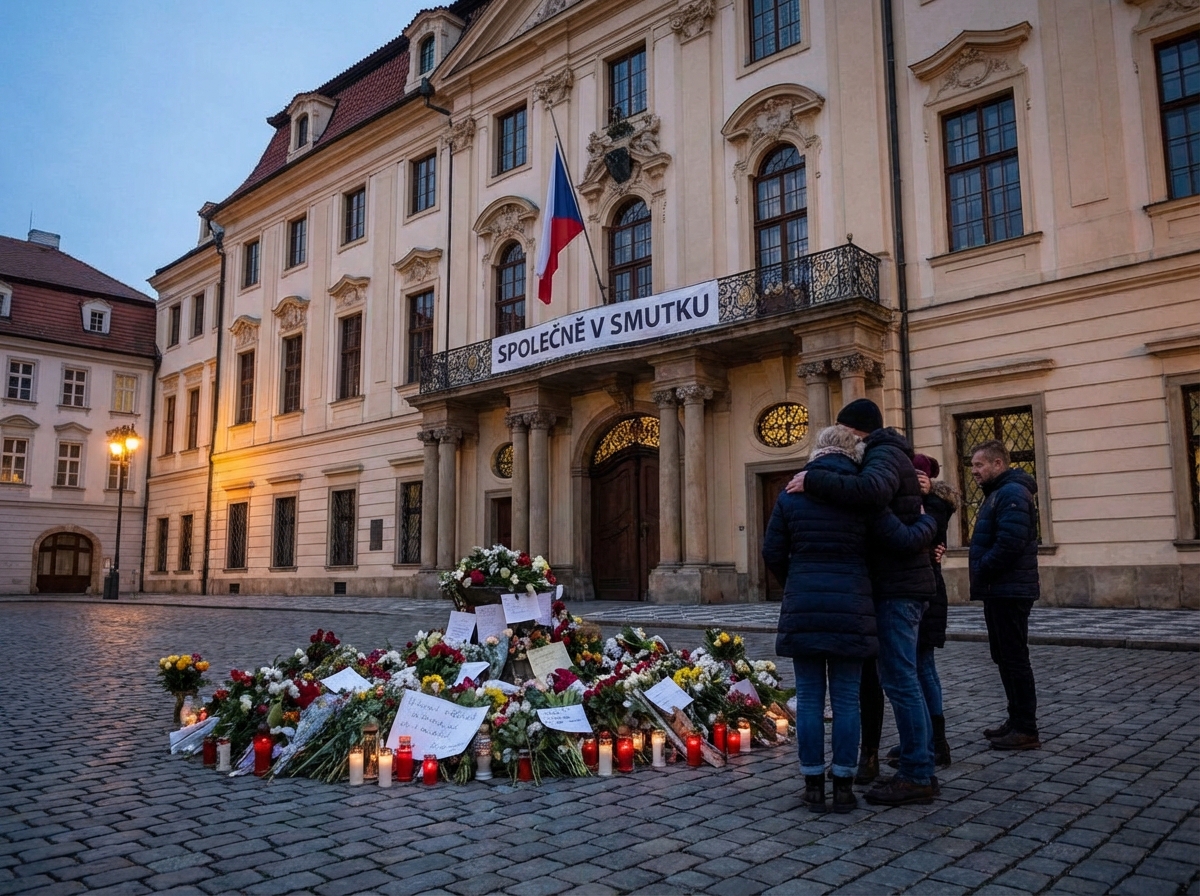
The impact of the Chribska town hall shooting extends beyond the immediate facts of the case, leaving a community grappling with shock and heartbreak. In small towns where social structures are deeply interconnected, an event like this disrupts the everyday fabric that binds community members together. For many residents, the town hall is a symbol of local governance and communal support – a place where civic issues are addressed and community decisions are made.
When violence touches these spaces, it does more than merely create legal and political challenges; it shakes the foundational trust that underpins community spirit. The subtle parts of civic life can be so easily marred by such tragedies, prompting local leaders to question whether current security measures are adequate or if there needs to be a comprehensive rethinking in how public spaces are managed.
Community forums, town hall meetings, and letters to local policymakers since the incident often underline several key concerns:
- Ensuring the absolute safety of civic institutions.
- Reviewing and updating security protocols in town halls and other public buildings.
- Strengthening collaboration between law enforcement and community leaders.
- Offering support and counseling to affected citizens and public servants.
These discussions are critical as they force both legal experts and civic leaders to figure a path that balances public openness with necessary precautions, ensuring that public spaces remain both accessible and secure.
Challenges in Balancing Public Access and Security
One of the tangled issues raised by this incident is how to strike the right balance between ensuring public access to civic spaces and implementing sufficient security measures. On one hand, town halls and municipal buildings are meant to be open environments that encourage civic engagement and democratic participation. On the other hand, recent events underline that these spaces can become targets for those who intend to disrupt the peace.
Policymakers must address certain legal questions:
- What degree of security is considered sufficient without infringing on public accessibility?
- How can law enforcement physically secure these venues while keeping them welcoming for public meetings?
- How should security protocols be adapted as threats evolve and become more unpredictable?
Rather than viewing the necessary security measures as overwhelming or introverted, the issue invites a comprehensive review of policies that account for both the risks and the fundamental democratic values that underpin open government. This is not simply a question of increased surveillance, but one that demands a nuanced approach where legal safeguards do not compromise the spirit of democracy.
Legal Repercussions and the Pursuit of Accountability
Investigative Processes and Judicial Considerations
As the investigation into the incident unfolds, several judicial considerations come into play. First, the fact that the police officer and other citizens were wounded introduces layers of complexity to the legal questions. Determining whether the use of lethal force was entirely justified or if alternative measures could have been taken involves sifting through the fine shades of legal responsibility and procedural correctness.
The judicial process in cases such as this includes reviewing several layers of evidence, such as:
- The sequence of events leading up to the crisis.
- The specific actions and decisions made by the police during the incident.
- Forensic evidence that may shed light on the suspect’s motives.
- Eyewitness accounts that provide a narrative to support or challenge official statements.
Each of these elements contributes to a holistic understanding of the event and represents the subtle details that must be factored into judicial decision-making. Legal professionals working on such cases have the challenging task of piecing together every bit of evidence to form a coherent narrative that supports the rule of law, even when the circumstances are nerve-racking in nature.
Public Appeals for Transparency and Justice
In the wake of high-profile cases, calls for transparency and accountability become inevitable. The local government in Chribska, as well as national authorities, are under considerable pressure to demonstrate that every angle of this case is thoroughly examined. This includes an open dialogue with the community to ensure that the legal processes are perceived as fair and unbiased.
Community members, legal advocates, and experts in law enforcement oversight have emphasized the following points as being critical in the context of this investigation:
- Timely public release of investigation updates.
- Regular communication between the police, government officials, and citizens.
- Independent reviews by experts unaffiliated with the local authorities.
- An emphasis on empathetic responses that consider both the victims' families and the broader community welfare.
Although such factors can appear intimidating due to the nerve-racking nature of public scrutiny, they are key to forging a transparent legal process. In doing so, the legal community hopes to prevent the erosion of trust that is essential for maintaining order and confidence in civic institutions.
Comparative Perspectives: Law Enforcement and Public Safety in Europe
Similar Incidents and Different Approaches
Czech Republic is not isolated when it comes to dealing with violent incidents at civic institutions. Across several European nations, similar tragedies have prompted lawmakers to reexamine policies regarding security and the rule of law. By taking a comparative approach, we can see both commonalities and slight differences that offer valuable lessons in balancing public access with necessary protective measures.
For instance, in some neighboring countries, security in public buildings has been enhanced through a combination of physical reinforcements, advanced surveillance, and community policing strategies. A comparative analysis reveals a few key strategies:
- Mandatory security audits for public buildings.
- Implementation of modern technology in surveillance and communication.
- Intensive training sessions for law enforcement officers on crisis management and the nuanced use of force.
- Active collaboration with community stakeholders in planning and enforcing security measures.
These measures show that while there is no one-size-fits-all approach, there is much to be learned by examining how similar cases are managed elsewhere. This cross-border perspective serves as a reminder that the solution may lie in blending traditional security practices with innovative legal frameworks that evolve with the times.
Regulatory Reforms and Future Legal Initiatives
Legal scholars have been advocating for reforms that address the subtle parts of public safety legislation. One of the primary areas of concern is the apparent gap between rapidly changing security threats and the legal structures that often lag behind technological and societal shifts. As we figure a path forward, several key initiatives appear to be on the horizon, including:
- Updates to the legal definitions surrounding the right to defend oneself and the conditions under which lethal force is justifiable.
- Enhanced protocols for inter-agency coordination during emergencies.
- The integration of technology in ensuring rapid communication between law enforcement and local government officials.
- Increased emphasis on community-based policing that builds trust and facilitates timely exchanges between citizens and security personnel.
These proposed reforms are frequently described as essential in keeping pace with an environment that is full of problems and loaded with challenges. While the restructuring of legal policies may feel intimidating, it is a super important step in ensuring that public safety measures continue to develop in a manner that upholds the principles of justice and democratic governance.
Economic and Social Consequences: The Ripple Effects
Impact on Local Businesses and Public Sentiment
Though the incident primarily concerns public safety and legal accountability, its repercussions extend into the economic and social spheres. In a town like Chribska, where local businesses thrive on community engagement and tourism, a high-profile incident can have lasting economic repercussions. The unfolding legal drama, coupled with media attention, might deter visitors and cause local business owners to reconsider their investments or take additional security measures.
Some of the factors influencing these outcomes include:
- Heightened security expenses for community establishments.
- An increase in insurance premiums driven by fear of similar events in the future.
- Potential delays in community projects as political and legal bodies focus on the aftermath of the incident.
- A decline in visitor confidence, which may ripple through the local economy for months or even years.
Businesses and investors are now faced with the task of managing these tricky parts amid a climate of unease. Moreover, public sentiment is consistently influenced by media narratives and ongoing legal debates, making it clear that the economic consequences of such incidents are interwoven with the legal challenges at hand.
Social Interactions and the Call for Community Healing
Beyond the economic aspects, the social fabric of communities like Chribska undergoes a period of healing and reflection after such events. Legal scholars and community organizers alike warn that failing to address the subtle details of communal trust and security may lead to long-lasting societal rifts. The healing process typically involves efforts such as:
- Public memorials or commemorative events to honor those affected by the tragedy.
- Legal and psychological support for survivors and relatives of the victims.
- Community-led initiatives aimed at reinforcing local bonds and overcoming the fear generated by the incident.
- Workshops and public discussions facilitated by local leaders, aiming to foster a sense of shared responsibility.
These steps are designed not only to deliver justice in a legal sense but also to mend the intangible scars left behind by traumatic events. As legal frameworks adapt and evolve, it remains crucial to ensure that their application is both fair and attentive to the human cost of public safety failures.
Media Narratives vs. Legal Realities: A Critical Examination
Balancing Sensationalism and Serious Legal Analysis
The way in which media outlets cover high-profile incidents often straddles a fine line between urgent sensationalism and thorough investigative reporting. In the case of the Chribska town hall shooting, it is important to differentiate between impassioned headlines and the sober legal analysis that frames such events within the context of established law. While media narratives tend to emphasize the shock and emotional aspects of the incident, legal experts are more focused on the detailed, albeit sometimes complicated, aspects of law enforcement actions and judicial reviews.
There are several reasons why it is critical to make this distinction:
- Media accounts may focus on the dramatic twists and turns of the event, sometimes at the expense of the underlying legal issues.
- Legal examinations, in contrast, dig into the fine points of jurisdiction, use of force, and accountability mechanisms – matters that require careful thought and analysis.
- The public deserves clarity, not sensationalized narratives, when it comes to matters that affect the rule of law and civil liberties.
By sorting out these different perspectives, it is possible to foster a more balanced understanding of both the tragic incident and the systemic issues that it exposes. A clear grasp of the legal realities, unmarred by the lure of dramatic language, is essential for any community striving to rebuild trust in its institutions.
Legal Transparency in the Age of Digital Media
One of the additional challenges in today’s fast-paced digital environment is ensuring that legal procedures remain open and understandable to the general public. As stories like the one from Chribska circulate rapidly online, legal authorities must also find innovative ways to relay detailed information without resorting to overly technical language. In doing so, they help bridge the gap between justice and public perception.
The need to maintain transparency in legal processes is increasingly important. Key measures in this domain include:
- Providing accessible public records and explanations of key legal decisions.
- Ensuring that communication with the media accurately reflects both the legal context and the human dimensions of the incident.
- Using social media and other digital platforms to disseminate balanced updates, thereby curbing the spread of misleading information.
These steps are critical for fostering an informed public dialogue that can help communities not only to understand the legal issues but also to participate in the broader processes that are aimed at reforming public safety and justice.
Looking Ahead: Reforms and the Future of Civic Security
Proposals for Legislative Reforms and Security Upgrades
The tragic events in Chribska ultimately serve as a catalyst for rethinking the state of public security and the laws designed to protect citizens. Lawmakers across Europe are increasingly aware that the challenges they face are both tangled and evolving, calling for measures that address not only the immediate issues at hand but also the broader trends that can compromise public safety over time.
Several proposals aimed at modernizing security protocols have gained attention in legal circles, including:
- Revising firearm legislation to ensure that the conditions governing their use in public spaces are explicitly defined and strictly enforced.
- Investing in technology-enhanced monitoring systems for civic buildings, which can help law enforcement get around tricky parts of detecting and responding to threats before they escalate.
- Instituting regular security audits and drills at public institutions to ensure that every stakeholder is aware of their role in a crisis.
- Encouraging cross-border collaborations to learn from successful security models in other European regions.
Although these suggestions may seem overwhelming due to the layered legal frameworks involved, they represent the key initiatives that many believe are super important for the collective safety and well-being of citizens. As communities continue to build their resilience, such measures are likely to play a critical role in shaping a safer future for public institutions.
Charting a Course for Effective Policy Implementation
Transforming proposals into effective policy requires a balanced approach that considers every fine shade of distinction between civil liberties and security imperatives. Policymakers are tasked with managing their way through numerous challenges, from legal constraints and budgeting concerns to the pressing need for enhanced public trust.
Some of the strategic measures to ensure effective policy implementation include:
- Establishing clear communication channels between lawmakers, law enforcement, and community representatives.
- Allocating sufficient resources to support both the training and the technological upgrades required by modern security demands.
- Creating oversight committees to monitor the progress of reforms and ensure that legal procedures remain transparent and accountable.
- Engaging in continuous dialogue with citizens, which helps in sorting out any administrative or legal twists and turns.
Such a comprehensive approach not only addresses the pressing issues that have emerged in the wake of tragic incidents like the Chribska shooting but also sets a precedent for how legal mechanisms should evolve in response to new security challenges. In doing so, communities may find it easier to figure a path forward that respects both democratic values and the necessity of robust public safety measures.
Concluding Reflections: Balancing Security, Justice, and Community Trust
Finding the Right Blend of Policy, Practice, and Protection
In conclusion, the events at Chribska’s town hall shine a light on the practical and legal challenges facing small communities today. As we observe the evolution of law enforcement practices and legal policies in the wake of such incidents, it becomes increasingly clear that a balanced approach is required—one that safeguards public spaces while also upholding the principles of transparency and accountability.
The incident has highlighted a number of areas of concern, including the tricky parts of managing dangerous situations, the nerve-racking decisions involved in using lethal force, and the subtle details that define the gap between public expectations and legal realities. Each of these elements plays a crucial role in shaping future reforms that not only respond to immediate threats but also build a resilient framework for public safety.
While nothing can reverse the trauma associated with acts of violence, the reaction of legal authorities, community members, and policymakers in the aftermath of the Chribska shooting offers a valuable lesson. It reminds us that the journey toward comprehensive security and justice is often loaded with complicated pieces and delicate decisions. By continuously engaging in informed debates, actively reviewing legal policies, and ensuring that each step is taken with transparency, we can create a public safety environment that is both secure and open.
Moving Forward with Informed Optimism
Looking to the future, it is clear that cases such as the Chribska town hall shooting will continue to prompt profound discussions about the legal frameworks governing public security. The integration of improved security protocols within the realm of civic administration, paired with an unwavering commitment to legal transparency and accountability, represents not just a reactive measure but also a proactive investment in the social fabric of communities.
Communities that are faced with such challenging events are forced to take a closer look at their established legal and policy frameworks. In doing so, they can ensure that reforms are not only well-conceived but also address the subtle parts and hidden complexities that underlie public safety concerns. By drawing on comparative insights from other nations and embracing both traditional wisdom and modern innovations, public institutions can increasingly steer through uncertain times.
Ultimately, the legacy of the Chribska incident will depend on how effectively legal authorities and community leaders work together to mend the fractures in trust and reinforce the civic institutions that are the backbone of democratic society. As legal debates continue and reforms are gradually implemented, a balanced and forward-thinking approach could provide a pathway for healing and long-term security, ensuring that public safety remains a critical, well-supported priority in every community.
In our current era, amid the constant twists and turns of security challenges and legal reforms, it is super important that all stakeholders – from law enforcement to government officials to everyday citizens – engage in an ongoing dialogue about how best to protect both life and liberty. Whether through enhanced oversight, collaborative policy-making, or community-driven initiatives, the path forward must be paved with transparency, empathy, and an unwavering dedication to the rule of law.
As we reflect on this challenging episode, let us all commit to understanding not only the dramatic details that make headlines but also the intricate legal and communal decisions that shape our world. In the face of adversity, thoughtful reform and communal engagement remain our most promising ways to build a safer, more just future for everyone.
Originally Post From https://www.2news.com/news/national/1-dead-and-6-wounded-in-czech-town-hall-shooting/article_1068478e-2e07-5094-aa25-a5a26ab4d4c8.html
Read more about this topic at
A shooting at a town hall in northern Czech Republic has ...
Shooting in small north Bohemian town leaves one dead ...