
Finding Your Path Through Personal Struggles in the Podcast World
In today’s modern media landscape, stories of creative passion collide with personal heartaches in ways that can be both inspiring and heart-wrenching. Few examples illustrate this intersection better than the journey of podcasters Jenny Owen Youngs and Kristin Russo. Their shared venture, a podcast inspired by the TV show Buffy the Vampire Slayer, not only attracted a global community of over 3,000 dedicated fans but also tested the limits of personal resilience. In this editorial, we take a closer look at how personal struggles intertwine with creative pursuits, how communities form around shared interests, and what happens when the personal becomes public.
In an era when media is more than just entertainment, the story of Youngs and Russo speaks to the fine points of human connection, creative collaboration, and the inevitable twists and turns that come when the lines between art and life blur. It is a cautionary tale, a celebration of community, and an examination of the challenging yet inspiring bits that come with managing personal dilemmas while still delivering content for a highly engaged audience.
Community Support and Emotional Resilience: How Podcasters Build a Loyal Fan Base
One of the most essential aspects of the Buffy podcast experience is the powerful community that blossomed around it. Fans from around the globe not only tuned in to hear discussions about their favorite show but also became a support network that transcended the digital realm. These dedicated listeners found ways to connect with one another, sharing their experiences through online forums, social media groups, and even in-person meet-ups.
The podcast community proved that when people share a common passion, they are willing to work through even the most intimidating personal challenges. The hosts’ willingness to share both the bright and shadowed moments of their lives cultivated a sense of authenticity that resonated with many. In this environment, fans discovered that even when personal relationships hit rocky patches—or even ended entirely—the lively bond of creative expression could evolve into something far more meaningful.
This dynamic was exemplified by the annual prom event organized by Youngs and Russo. Drawing inspiration from Buffy the Vampire Slayer’s own prom episode, the event became a symbolic celebration for those who had never experienced the traditional milestones of life or had been forced to hide their true selves. The rapid sell-out of tickets, often in a matter of minutes, stands as a testament to the magnetic power of shared experiences and emotional support.
In many ways, this community served as a stabilizing force amid the distracting bits and tangled issues of the hosts’ personal lives—a reminder that the struggles and successes of one can inspire hope in many.
Working Through Tricky Parts of Public Relationships in a Digital Age
The story of Youngs and Russo is laden with personal intricacies—those little details that make intimate relationships both beautiful and challenging. Their marriage, which began after a seemingly ordinary yet transformative moment of watching Buffy the Vampire Slayer together, became the foundation for a creative partnership that resonated far beyond the podcasting world.
When life introduces nerve-racking and overwhelming challenges—ranging from everyday relationship tension to the finality of divorce—it tests one’s capacity to find your way through mounting issues while staying true to commitments made in the public eye. Their decision to continue the podcast after separating was not only about keeping a job or fulfilling an obligation; it was about honoring the deep connection they had forged with each other and their audience.
At one point, they faced the intensely conflicting bits of managing the timetable they had to share publicly. Their continued partnership in the podcast, even after their separation, highlighted the ironic relationship between personal grief and public performance. By maintaining professional composure and focusing on the creative mission, the hosts have managed to prove that even when faced with tangled issues in one’s private life, it is possible to steer through the emotional maze with a sense of responsibility.
This experience prompts us to ask: What does it really mean to work through personal obstacles in a public forum? And can sharing these tricky parts of one’s journey ultimately serve as a bridge to mutual healing for both the creators and their followers?
Reflecting Shared Experiences: The Influence of Iconic TV Stories on Real Life
TV shows like Buffy the Vampire Slayer often offer more than just escapist entertainment; they mirror the messy and sometimes confusing bits of life in ways that both comfort and challenge us. In many respects, the Buffy narrative and the actual lives of Youngs and Russo intertwine in a reflective dance, where art imitates life, and life—as messy as it can be—imitates art.
During a memorable prom event in Los Angeles, a poignant moment occurred when Youngs selected the song “Wild Horses” for the gathering—evoking a scene from Buffy where the dance signaled an inevitable farewell. Little did the audience know that this moment was interlaced with the hosts’ own immediate separation. It was a reminder that art and life often share subtle parts that can evoke powerful emotions. As one listener aptly noted, the synergy of the show’s narrative with the hosts’ reality created a comforting sense of destiny—a meaning that resonated with those who had experienced heartbreak or loss.
The deliberate mirroring of specific Buffy episodes in live events underscores a key concept: stories, no matter how old or mythical, continue to meet us where we are in life. It is through these fine shades of shared experience that individuals can find solace, inspiration, or even a needed kick of motivation. The interplay between the narrative fiction of Buffy and the real-life struggles of the podcast hosts reminds us that creativity and personal experience are more intertwined than they might initially seem.
Lessons in Resilience: The Courage to Continue Amid Emotional Turbulence
One of the most impactful takeaways from the Buffy podcast narrative is the lesson in emotional endurance. Youngs and Russo, despite being weighed down by tough personal decisions and public heartbreak, chose to persist—not simply for their careers, but driven by the powerful connection they felt with their audience. Their story suggests that even during overwhelming moments of pain and regret, there is a reservoir of strength available through community support.
The decision to carry on with the podcast after hinting at its potential termination was emblematic of a broader philosophy: life’s twists and turns do not necessarily close the door on creativity but instead offer a pathway toward reinvention. After their divorce became public in 2018, their commitment to producing quality content, down to each session and live event, provided a lifeline for fans coping with their own full-of-problems experiences.
This example teaches us that the process of working through personal matters can yield unexpected rewards. The act of staying connected to an audience—even as personal circumstances shift—can eventually lead to reconnection, growth, and even creative renewal. For many fans, the podcast did not merely represent a distraction from their own difficulties; it became a symbol of perseverance, a beacon that proved that transformation is always within reach.
Below is an illustrative list summarizing some of the key emotional components that contributed to the podcast’s resilience:
- Sharing personal vulnerabilities and glimpses into real-life struggles
- Creating communal traditions that resonate with shared experiences
- Maintaining consistency in the face of dramatic personal changes
- Drawing strength from audience feedback and mutual support
- Allowing art to reflect and thereby heal personal grief
Each bullet point represents not just a strategy for staying afloat in turbulent times but also a reminder that creativity thrives when it is nourished by authenticity.
Public vs. Private: The Challenges of Being Open in a Personal Crisis
In today’s age of social media and instantaneous communication, the private lives of public figures are often laid bare for all to see. The experience of Youngs and Russo is an example of what happens when the personal becomes professionally public. Their candid accounts of marriage, separation, and the subsequent reworking of their creative collaboration offer invaluable insights into how public vulnerability can be both risky and redeeming.
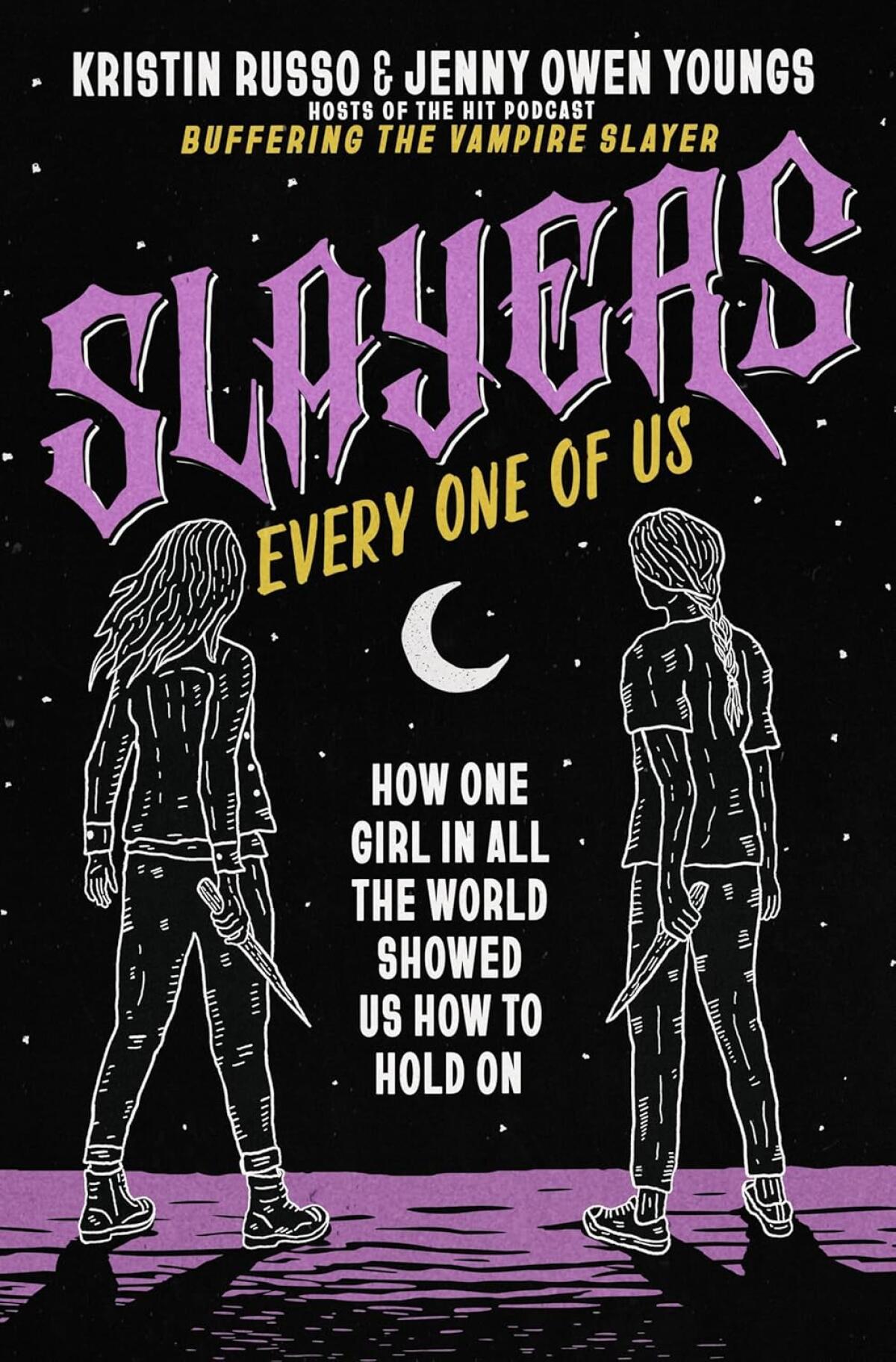
It is particularly striking how much strength can be found in honesty. By candidly discussing their struggles and sharing every little twist of their journey, they transformed the typically intimidating task of public introspection into an essential tool for healing. Their memoir, Slayers, Every One of Us, becomes a real-life testament to this overlap—where hardships that might otherwise remain hidden are brought into the light to help others manage their own emotional labyrinths.
The challenge of working together when emotional tension is high cannot be dismissed as an isolated phenomenon exclusive to celebrity couples. Instead, it speaks to a broader narrative about the nature of creative work in a digital age. When the roles of personal and professional are so intertwined, every public act becomes a testament not only to artistic integrity but also to the raw, unfiltered experience of life. Such is the case with this podcast, where every recorded session is imbued with the energy of lives that refuse to be boxed into neat, media-friendly narratives.
Below is a table summarizing some of the key factors that illustrate the tension between public duty and private emotional battles:
| Aspect | Public Experience | Private Challenge |
|---|---|---|
| Content Creation | Maintaining engaging discussions on pop culture and TV shows | Managing conflicting feelings and memories while collaborating with an ex-partner |
| Monetary & Professional Incentives | Building and sustaining a loyal, paying audience | Struggling with personal financial pressures and the cost of emotional well-being |
| Fan Engagement | Hosting live events and meet-ups that mirror iconic TV moments | Balancing the desire to connect with fans and preserving personal boundaries |
| Artistry and Legacy | Creating a lasting archive of popular culture commentary | Dealing with the nagging sadness and regret of a broken relationship |
Such comparisons remind us that the path toward professional achievement often runs parallel to a strenuous emotional journey—a fact that is seldom highlighted in the polished narratives we see online.
Rebuilding Through Creative Process: The Role of Art in Healing
Art, in many forms, serves as a bridge through the maze of painful separations and emotional trauma. For Youngs and Russo, the Buffy podcast was not merely an opportunity to discuss a beloved TV show. It also provided a framework within which they could continuously reinvent themselves even when their personal relationship was under heavy strain. Their creative process offers a compelling example of how art can be a powerful catalyst for rebuilding one's identity after a significant upheaval.
The idea that “stories wait for you and meet you where you need them” is woven into the very fabric of their work. It suggests that when you get into creative expression, you are also opening yourself up to healing—accepting that pain, while deeply personal, can fuel a process of growth and renewal. Their approach, which involved drawing subtle comparisons between the fictional world of Buffy and their own real-life difficulties, acted as both a coping mechanism and a source of inspiration for turning hardship into art.
For many in their community, the podcast became a constant reminder that life does not stop with heartbreak. Instead, it offers a chance to gather strengths from even the most nerve-racking moments. The community's active support not only boosted the morale of the hosts but also infused the creative work with an energy that could only come from collective empathy and understanding.
Here are some ways in which art and creativity played an essential role in their rehabilitation:
- Viewing creative projects as therapeutic tools for emotional expression
- Embracing public performance as a path to personal transformation
- Using cultural references to reconnect with cherished memories and reframe painful experiences
- Establishing rituals that honor personal milestones and shared creative legacies
- Maintaining a steady connection to a supportive audience to reaffirm self-worth
These approaches underline an important truth: creativity is not merely a way to make a living—it is also a way to heal. By transforming personal grief into public art, podcasters like Youngs and Russo demonstrate that personal renewal often arises from the seemingly small and subtle details we integrate into our creative expressions.
Taking the Wheel in a Changing Media Landscape
The evolution of media in the digital age has redefined the relationship between content creators and their audiences. Traditional barriers between public and private life have blurred, compelling creators to work through tricky parts of their personal lives under the constant scrutiny of their fans. In this environment, the story of those who adapt—like the Buffy podcasters—provides valuable lessons for anyone striving to balance personal well-being with professional success.
For many creators, the digital era offers a platform for direct communication with audiences, bypassing the traditional filters of mainstream media. However, this direct line of communication also means that every emotional setback or raw revelation becomes fodder for public discussion. While that may seem like a full-of-problems predicament, it can ultimately foster a sense of shared vulnerability and mutual growth.
Podcasters today are often required to figure a path through a landscape that is both liberating and loaded with issues. Youngs and Russo’s willingness to share the tiniest bits of their emotional journey serves as a model for others who wish to hold space for truth and intimacy in the public sphere. Their story encourages other creative professionals to embrace honesty—a quality that, despite its risk of exposing one’s most delicate inner workings, can catalyze communal healing and relational growth.
The broader significance of their work lies in its demonstration that even after seemingly intolerable breaks or painful separations, a creative partnership can be reborn. For many, the journey of rebuilding one’s artistic identity in the midst of personal chaos is a reminder that closure need not come with anger or bitterness. Instead, the transition might be marked by resilience, introspection, and ultimately, a redefinition of what it means to continue creating despite personal turmoil.
Lessons for the Future: Embracing Emotional Honesty in Public Spaces
The Buffy podcast saga is a modern parable for the importance of emotional honesty in professional endeavors. Youngs and Russo showed that by putting on a brave public face while wrestling with nerve-racking personal issues behind the scenes, creators can establish bonds that run deep with their listeners. Their story is a celebration of the idea that even when the road is full of challenging turns, the willingness to share one’s genuine self is more than just commendable—it is transformative.
As we look to the future of media and creative expression, their example reminds us that the public sphere can be a space of healing if it nurtures honesty and vulnerability. Audiences are not only interested in polished performances or flawless production values; they crave engagement that withstands the rough, tangled pieces of genuine human experience. It is in this arena that authenticity becomes an irreplaceable asset.
Moreover, the way the Buffy podcast community rallied together—whether by organizing themed events or exchanging supportive emails—demonstrates that when people get into the spirit of shared cultural appreciation, they forge bonds that can help overcome even the most intimidating life challenges. The podcast has thus become a living archive of both pop culture and the human spirit, a testament to the power of collective resilience.
Here are some key takeaways for creators and audiences alike:
- Transparency Matters: Sharing the full spectrum of personal feelings can inspire audiences and demystify the process of creative expression.
- Collective Support: Communities that rally around shared interests can provide emotional succor during personal crises.
- Art as a Reflection of Life: The subtle details of a TV show or a creative project can mirror one’s own journey, offering moments of profound realization.
- Resilience Through Collaboration: Even when relationships experience a rough patch, continued creative collaboration can become a source of comfort and renewal.
- Adapting to Change: Embracing change with an open heart allows creators to reinvent themselves even in the face of painful separations.
These lessons underscore how vital it is for modern storytellers to integrate honesty into their work. In doing so, they not only enhance their artistic output but also help audiences find solace and inspiration amidst their own life challenges.
Conclusion: Transforming Pain Into a Creative Journey
The saga of the Buffy podcast is more than just a story of a TV show discussion; it is a deeply layered narrative of two people who fought to maintain their creative alliance in the face of heartache and separation. By continuing to produce thoughtful content even as personal relationships crumbled, Youngs and Russo illustrated the idea that art can be a robust healing tool—capable of converting nerve-racking emotional experiences into a shared, life-affirming journey.
Their willingness to share each challenging twist and personal setback has not only given their community the courage to tackle their own tangled issues but has also set a precedent for future creators. The delicate balance between personal vulnerability and public performance remains a tricky part of navigating today’s media scene—but it is precisely this tension that, when managed with care, transforms art into a beacon for hope.
As we witness the ongoing evolution of digital media and the increasingly blurred lines between private and public life, the courage of these podcasters offers an essential reminder: creative work flourishes when it is built on a foundation of sincerity. Even as the hosts’ story takes unexpected turns—mirrored by the ebb and flow of the TV shows they celebrate—the underlying message remains clear. Life, with all its subtle parts and chaotic twists, can be recast into narratives that uplift and unite us all.
In closing, the Buffy podcast journey confirms that when creators dare to be vulnerable, they not only capture the essence of their own experiences but also light the way for others. Shared cultural touchstones—a beloved TV show, a live prom event, a symbolic song—can serve as the springboard for healing, teaching us that pain and separation are not the end but rather the beginning of growth and transformation. For anyone struggling to find their way amidst personal setbacks, the story of this podcast is an invitation to hold onto creativity, value community, and, ultimately, continue the journey toward a more authentic self.
In a world where the lines between public and private life have become intertwined, the Buffy podcast stands as a testimony to the power of art and the resilience of the human spirit. Let it serve as a reminder that even after the most heart-wrenching separations, there lies a path forward—a journey marked by honest conversation, creative renewal, and the unwavering support of those who believe in the transformative power of sharing our real stories.
Originally Post From https://www.kjzz.org/npr-top-stories/2025-04-13/buffy-podcasters-built-a-community-and-they-didnt-let-divorce-break-it
Read more about this topic at
Love, Loss, Grief, Complexity, and Resilience
Ten Years of Grief: A Journey of Love, Loss, and ...
* This article was originally published here


0 Comments:
Post a Comment
Note: Only a member of this blog may post a comment.