
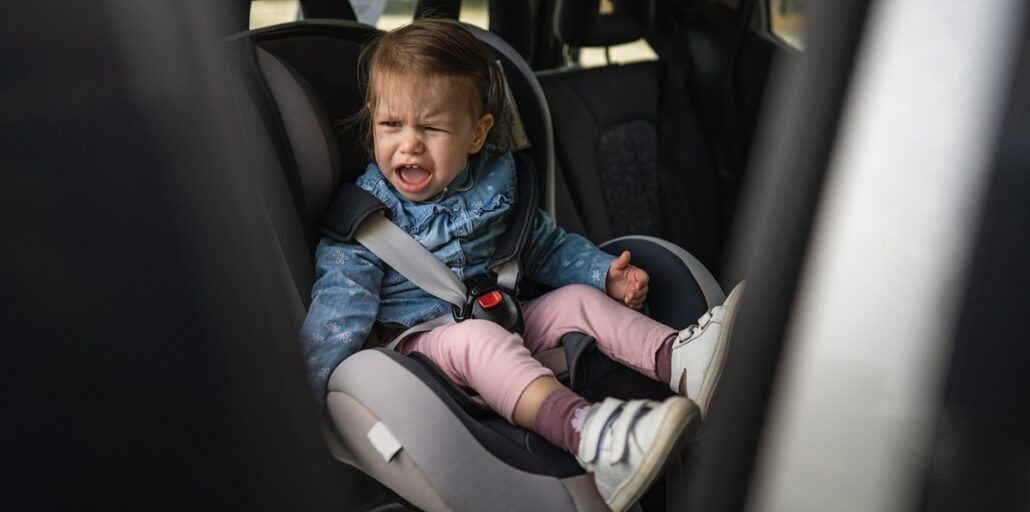
The Legal Framework Underlying Child Endangerment Charges in Arizona
In Arizona, the law concerning child abuse and endangerment carries several twists and turns that parents and guardians should be well aware of. Under ARS §13-3623, a caregiver can face serious charges if their actions, even inadvertently, put a child at a substantial risk of harm. While the statute does not specifically state that leaving a child alone in a car is illegal, prosecutors have ample room to press charges when negligence or reckless behavior leads to a dangerous situation. This legal gray area makes it essential for anyone who cares for a child to understand what constitutes criminal behavior under Arizona law.
In simple terms, if a parent or guardian leaves a child unattended in a car and that decision creates a substantial risk of serious injury or death, criminal charges for child abuse or endangerment may follow. Even without physical harm, the mere potential for danger can be enough to trigger significant legal consequences. As we get into the details, it becomes clear that the law is designed to shield children from hazardous situations, especially in a state known for its extreme temperatures.
The Tricky Parts of Leaving a Child Alone in a Car
Arizona’s blistering heat and rapidly escalating in-car temperatures are among the most complicated pieces of the debate surrounding unattended children. The idea is not solely about intentional neglect but rather about understanding the cascading effects that a brief lapse in judgment can have. By leaving a child alone, even for just a few minutes, a parent or guardian risks legal repercussions that extend far beyond a simple mistake.
Even if the absence is momentary, law enforcement can interpret the situation as one loaded with issues. The decision to leave a child in a car is not only a matter of practical safety but also becomes a hot topic in legal terms. When temperatures outside soar, the inside of a vehicle can become an overwhelming danger zone, with risks that are both immediate and significant.
Heat Risks and the Internal Dangers of Parked Vehicles
One of the most nerve-racking aspects of leaving a child in a parked car in Arizona is the swift and dangerous rise in temperature. Scientific research and numerous tragic events indicate that vehicle interiors can heat up by 20 degrees or more in just 10 minutes. Consider this: on a 100-degree day, the inside of a car can quickly climb to over 120 degrees, making it a veritable oven for a child.
The dangers include:
- Heatstroke, which can cause rapid loss of consciousness and even death.
- Accidental car movement if the vehicle is left running or not properly secured.
- Risks of strangulation from seatbelt entanglement or malfunctioning power windows.
- The potential for a kidnapping or harm if the unattended vehicle becomes a target.
- Suffocation due to restricted airflow within the car, exacerbated by extreme heat.
These risks illustrate the small distinctions between a seemingly trivial error and an act that courts view as recklessly endangering the health of a minor. When dealing with such dangerous situations, even a brief lapse in supervising a child can be interpreted harshly by the legal system.
Penalties and Consequences: The Nitty-Gritty of Legal Ramifications
The legal consequences for leaving a child unattended in a vehicle vary significantly depending on the circumstances and the level of risk involved. Arizona law categorizes these offenses based on the severity of the outcome and the apparent negligence of the guardian.
The following table summarizes the potential charge classifications and associated penalties under ARS §13-3623:
| Situation | Offense Classification | Potential Penalties | Relevant ARS Section |
|---|---|---|---|
| Endangering a child without injury | Class 1 Misdemeanor | Up to 6 months in jail, fines up to $2,500, probation, and mandatory parenting classes | ARS §13-3623(B)(3) |
| Substantial risk of imminent death but no injury | Class 6 Felony | Up to 18 months in prison, fines up to $150,000, and possible DCS supervision | ARS §13-3623(B)(2) |
| Child suffers injury due to neglect or heat exposure | Class 3 Felony | 2.5 to 7 years in prison, possible loss of custody, and a lifelong felony record | ARS §13-3623(A)(2) |
| Child dies as a result of the incident | Class 2 Felony | 4 to 10 years in prison and permanent loss of parental rights | ARS §13-3623(A)(1) |
The table above clearly demonstrates the scale of consequences that can arise from one mistaken decision. Even if no physical harm is evident, the potential for such outcomes is enough to prompt harsh penalties. For parents, understanding these punishments can serve as a super important reminder of the risks associated with leaving a child unattended in a vehicle—especially under Arizona's punishing heat conditions.
Common Defenses Against Charges of Leaving a Child Unattended
When facing a charge under ARS §13-3623 for leaving a child alone in a car, defendants have several defense strategies available. It is important to note that each case carries its own set of tricky parts that can influence the outcome.
Some of the more common defenses include:
- Lack of Intent to Harm: Arizona law requires a demonstrable intention to either knowingly or recklessly place a child at risk. If a parent can prove that the incident was unintentional or a misunderstanding, this defense may work in their favor.
- Brief or Reasonable Absence: If an incident involves only a fleeting moment—perhaps a few seconds to run a quick errand—defense attorneys might argue that the risk was overblown or nonexistent.
- Mistaken Identity or False Report: In situations where witnesses are uncertain, evidence like security footage or inconsistent accounts can offer substantial relief from charges.
- Emergency Circumstances: Cases where the caregiver was forced into a brief absence due to a sudden medical or urgent situation might qualify as a legitimate defense, proving the absence was unavoidable.
- Procedural or Constitutional Errors: If law enforcement fails to follow required protocols or if the defendant’s rights are violated during the gathering of evidence, it can lead to motions that may suppress crucial evidence or even result in dismissal of charges.
These defenses highlight the fine points of criminal law as they pertain to child endangerment. While the legal road can be full of problems and even confusing bits, a seasoned attorney can often help steer through the system and find a path to mitigate or dismiss charges.
Steps for Bystanders: What to Do When You Witness a Child Alone in a Car
Encountering a situation where a child is left unattended in a car can be nerve-racking and overwhelming. Bystanders play a critical role in ensuring the immediate safety of a child while balancing legal concerns and personal safety. Here are some steps to take if you find yourself in this precarious scenario:
- Call 911 Immediately: Contact emergency services right away. Provide them with the exact location, a description of the vehicle, and any immediate indications of the child being in distress.
- Assess the Situation: Without endangering yourself, determine if the child appears to be in an unsafe environment. If the car is locked and the child shows signs of distress, wait for professional help before intervening.
- Check for Alternative Solutions: If the vehicle is unlocked and it seems safe, consider opening a door to improve ventilation. However, do not break a window unless the child’s life is at risk—this measure should only be a last resort.
- Document What You See: If possible, note details or take photos from a safe distance to help law enforcement piece together the scenario later.
- Remain On-Site: Stay nearby to answer any questions from emergency responders, but do not put yourself in harm's way.
Arizona law does not offer a broad Good Samaritan shield for civilians who may decide to break into a vehicle, so extreme caution is warranted. The key is to ensure that the child is safe while allowing professionals to manage the situation. By following these steps, bystanders can help prevent potential tragedies while also safeguarding themselves from legal repercussions.
How Experienced Legal Counsel Can Help Defuse a Crisis
For parents or guardians who find themselves facing the consequences of a momentary lapse—whether due to a short absence or an emergency—a seasoned defense attorney can be the difference between a ruinous criminal record and a chance at restoring your reputation. Attorneys familiar with Arizona’s child endangerment laws understand the small distinctions that separate a misunderstood mistake from a criminal charge.
Legal experts who have successfully argued cases similar to these know how to gather evidence, spot inconsistencies in the prosecution’s case, and use procedural or constitutional errors to the defendant’s advantage. This makes it essential for anyone facing such charges to seek help immediately. Skilled attorneys can assist in:
- Reviewing all evidence and witness accounts
- Consulting with experts in vehicle safety and child psychology
- Voicing a compelling narrative that emphasizes the lack of harmful intent
- Negotiating with prosecutors to reduce charges or achieve dismissal
When the stakes are this high—a parent’s freedom and their ability to care for their child hang in the balance—working with an attorney who is both experienced and compassionate is super important. Legal representation is not just about fighting a case; it’s about protecting the rights and future of a family in challenging and tense circumstances.
Parenting in a Hot Climate: Tips for Avoiding Legal Trouble
Given the unique environmental challenges in Arizona, parents must take extra precautions to prevent any situation that might be misinterpreted as neglect. Here are several practical tips for parents to help keep their children safe and avoid falling into legal pitfalls:
- Plan Ahead: Make sure there is always a trusted person with your child if you need to run a quick errand. Even a few minutes unsupervised can be risky.
- Check the Weather: In the blistering heat of Arizona, avoid leaving children alone in vehicles during periods of extreme temperature. A quick change in the weather can turn a safe situation into a dangerous one.
- Use Technology: Many modern vehicles come equipped with notification systems that alert you if a door is open or if the cabin temperature rises unexpectedly.
- Establish a Routine: Create habits that ensure a child is never left unattended. Arrange backup childcare options for emergencies or brief absences.
- Educate Yourself: Stay informed about recent changes in local laws and court decisions that could impact how cases of child endangerment are prosecuted in your area.
By following these guidelines, parents can reduce the chance of confusing bits turning into tragic legal confrontations. This pragmatic approach is especially useful in a state where the heat can escalate a seemingly minor error into a scenario full of legal problems.
A Closer Look at the Impact on Families and Communities
The repercussions of a child endangerment charge resonate far beyond the individual family involved. When accusations of neglect or recklessness come into play, they can affect employment, future educational opportunities, and even family dynamics. A record that includes a felony or misdemeanor for child endangerment can lead to long-term challenges.
Community trust in the legal system is also tested by these cases. As prosecutors push forward with charges—to protect vulnerable children—the underlying intent is to create a safe environment for all minors. However, this legal safeguard can sometimes result in unintended consequences, where parents who have made a brief error are entangled in prolonged legal battles.
In such cases, community-based legal advice and strong familial support systems become essential. When legal proceedings are handled with a heavy hand, it can create tension not just among the immediate families, but within the broader community, which may view the measures as either too strict or not protective enough.
Comparing Similar Cases and Legal Precedents
Diving into previous cases helps in understanding the fine points of how the law is applied in practice. Several cases in Arizona have set significant legal precedents. These cases illustrate that even if the child remains unharmed, charges can be pursued if evidence suggests a substantial risk was present.
For example, there have been cases where a brief absence—a parent grabbing a few necessary items—has led to full-blown legal challenges. In one noted instance, the court carefully reviewed the circumstances and found that while there was never any intention to harm, the environment inside the vehicle was enough to warrant prosecution.
These cases underscore the necessity for parents to be extremely cautious and for defense attorneys to be adept at highlighting that the momentary absence did not equate to a true neglect of duty. The subtleties in these cases—the little twists that set apart a genuine mistake from a criminal act—are often the battleground where much of the legal dispute is fought.
Community Advocacy and the Role of Public Policy
As awareness about the risks of leaving a child unattended in a vehicle grows, public policy discussions inevitably surface. Lawmakers and community leaders are increasingly focusing on creating guidelines that are both protective of children and fair to parents. Advocacy groups in Arizona are using these discussions to propose clearer statutes that directly address the specific hazards of unattended children in vehicles, potentially bridging the gap between safety concerns and parental rights.
This ongoing debate is a reminder that the current legal landscape is continually evolving. It highlights a need for laws that not only deter potential harm but also consider the realistic scenarios that many parents face every day. Until these statutes are refined, parents must remain vigilant and proactive in their approach to child safety.
Taking the Wheel: How Families Can Empower Themselves Legally
Empowering yourself as a parent includes understanding your rights and being prepared for the unexpected. Knowing what steps to take if an incident occurs and having a plan to secure legal help are steps that can make a world of difference.
Some proactive measures include:
- Legal Education: Attend community legal workshops and seminars that focus on family law and child safety. The more you know about your responsibilities and rights, the better you can protect your family.
- Create a Response Plan: Develop a clear set of actions to follow if you are ever in a difficult situation. This might include emergency contacts, nearby trusted family members, or even legal counsel.
- Document Procedures: Keeping a record of your childcare arrangements can be useful in demonstrating responsible behavior in the unfortunate event of a legal inquiry.
- Maintain Open Dialogue: Engage with your local community and law enforcement to better understand local practices and policies regarding child safety and neglect.
Taking these measures is not only about preventing legal challenges, but also about making sure that you are always prepared to protect your most precious asset—your child.
Assessing the Broader Impact on Legal and Social Systems
The legal approach to child endangerment in cases of unattended vehicles is just one piece of a much larger puzzle. The conversation around it reflects broader societal values and priorities. Arizona’s legal system, known for its strict measures, aims to provide a clear message: a child's safety is paramount. However, the methods of penalization used to enforce this law also influence public perceptions of justice and fairness.
Civic leaders, legal professionals, and community advocates must work together to strike a balance between upholding child safety and acknowledging that some situations involve complicated pieces and unintended mistakes. This balancing act is crucial because overly harsh measures can have lasting negative impacts on families, while too lenient an approach might fail to protect children adequately.
In the end, public policy must evolve with a keen understanding of these issues, ensuring that the law remains both fair and effective. It is a conversation that requires regular re-evaluation and input from all stakeholders involved.
Conclusion: A Call for Preventive Action and Informed Advocacy
The question of whether it is a crime to leave a child unattended in a car in Arizona is not as straightforward as it may seem. While the law does not explicitly forbid the act, it provides a framework through which prosecutors can argue that such behavior poses a substantial risk to a child’s well-being. The legal system’s approach, filled with its tricky parts, tangled issues, and confusing bits, makes it essential for parents and guardians to be both informed and cautious.
Arizona’s extreme climate amplifies the risks associated with even a momentary lapse in supervision. With temperatures that can skyrocket in minutes, the potential for heat-related harm is real—and the law reflects this by imposing significant penalties for what might sometimes be mere moments of negligence.
For those who find themselves facing legal challenges under ARS §13-3623, the importance of seeking experienced legal counsel cannot be overemphasized. Whether it is demonstrating a lack of intent, proving that any absence was both brief and reasonable, or pointing out procedural errors, a skilled attorney can help clear up the tangled issues and defend against charges that could otherwise upend a family’s future.
Moreover, for communities and lawmakers, this issue remains a delicate balancing act. The goal is to protect our children while ensuring that the legal system does not disproportionately penalize parents who have made an off-putting yet momentary mistake. A more refined legal framework that addresses these tricky parts more clearly, along with continuous public discourse, will ultimately be beneficial for everyone involved.
As parents, community members, and legal professionals continue to grapple with these challenges, proactive measures, informed advocacy, and preventive planning are the keys to ensuring that responsible caregiving is recognized, and that families are supported rather than inadvertently torn apart by a single error.
Ultimately, leaving a child unattended—even in circumstances that seem unavoidable—carries risks that extend beyond the personal and into the legal realms. Awareness, education, and clear guidelines are essential means by which the community can work together to protect its youngest members while supporting parents who sometimes face nerve-racking decisions. It is a conversation that demands ongoing consideration, thoughtful action, and a collaborative effort between families, legal experts, and community leaders.
If you ever find yourself in a place of uncertainty or facing charges related to child endangerment, remember that expert legal help is available. Engage with knowledgeable professionals who can help you figure a path through the system, ensuring that your rights are safeguarded and that the welfare of your child remains the top priority.
Read more about this topic at https://arjashahlaw.com/criminal-defense/child-alone-in-car-endangerment/
Related articles you might like
Tennessee Code § 39-15-401 (2024) - Child abuse and ...
Tennessee Code Title 39. Criminal Offenses § 39-15-402
* This article was originally published here


0 Comments:
Post a Comment
Note: Only a member of this blog may post a comment.