Monday, December 22, 2025

Understanding Illegal Reentry After Deportation

An Opinion on Federal Illegal Reentry Charges in Today’s Legal Landscape

In recent years, the debate surrounding federal illegal reentry charges has become one of the most talked-about topics in immigration law. While anyone who finds themselves or a loved one caught up in these charges may feel overwhelmed, it is important to take a closer look at the issues from all angles. This article offers an in-depth analysis of wrongful reentry prosecutions, the legal process behind them, and the potential consequences for defendants, all while maintaining a neutral tone. We will figure a path through the twists and turns of federal illegal reentry law, looking at key elements, penalties, real-world instances, and defense strategies.

Understanding the Essentials of Illegal Reentry Charges

At the core of the debate is the federal statute outlined in 8 U.S.C. § 1326. This law makes it a federal crime for a person who has been previously deported or removed to reenter, attempt to reenter, or be found in the United States without authorization. In plain language, if you were removed from the U.S. and come back or are later discovered in the country without permission, you potentially face federal charges. The situation can quickly become nerve-racking—not least because the government only has to prove a few pieces of evidence to build its case.

The legal process here involves several tricky parts, including:

  • Verifying whether the individual was indeed previously deported.
  • Establishing that there was illegal reentry or an attempt to reenter the United States.
  • Showing that no permission was granted by the appropriate authorities.

Each of these points can be full of problems when it comes to the administration of justice in these matters. Yet, rather than being a one-dimensional issue, these charges are riddled with tension and nuanced considerations that extend far beyond a simple mistake at the border.

Examining the Key Questions that Define Federal Cases

Federal prosecutors rely on three main questions when preparing these cases. To put it simply, they ask:

  • Was there an existing deportation order or removal process?
  • Was the reentry into the U.S. unauthorized, either directly at the border or discovered later on?
  • Does the defendant’s history reveal previous criminal convictions that might amplify the penalties?

These questions may seem straightforward, yet there are many little details that create the confusing bits of each case. Sometimes, the history of an individual’s deportation, including any missteps during their removal process, plays a decisive role in how the law is applied. In many instances, the case can turn on these tiny twists and turns.

For example, if an individual was removed due to a process violation—perhaps lacking proper notice or missing an opportunity to apply for relief—the validity of the original deportation order itself might be challenged. This argument can be key to reducing any penalty if done correctly.

Federal Penalties and Their Real-World Impact

A conviction under 8 U.S.C. § 1326 is no walk in the park. The statute lays out distinct penalty tiers that depend heavily on the defendant’s previous criminal history and the nature of the prior removal. At its base level, a basic reentry offense can lead to a maximum of up to two years in prison. However, things can escalate quickly if the defendant has faced trouble before.

For clarity, here is a summary table of the penalty tiers commonly referenced in these cases:

Scenario Statutory Maximum Notes / Enhancements
Basic reentry after a prior removal without permission Up to 2 years Entry, attempted entry, or being “found in” the U.S. post-deportation
Prior removal after conviction for three or more misdemeanors (drugs or crimes against the person) or a non-aggravated felony Up to 10 years Statutory enhancement applies due to prior convictions
Prior removal after conviction for an aggravated felony Up to 20 years Highest statutory maximum according to immigration statutes

In addition to these statutory guidelines, federal judges also consult the U.S. Sentencing Guidelines. These guidelines allow for a range of sentencing options that take into account the defendant's past convictions and the recency of those criminal activities. The federal sentencing process is intricate in its own right and is compounded by many hidden complexities that add to the charged atmosphere in these cases.

For an individual with little criminal history beyond immigration issues, the recommended sentencing range might be lower. However, individuals with records involving aggravated felonies, or cases where multiple prior removals exist, face significantly higher penalties. This variety illustrates why each case requires careful evaluation and tailored legal strategies.

The Role of Routine Encounters in Sparkling Reentry Charges

One may wonder how routine interactions with law enforcement can escalate into a full-blown illegal reentry charge. In real-world scenarios, a fingerprint check during a simple traffic stop or even a workplace screening might trigger a deeper investigation. For instance, in Maricopa County, what starts as a traffic violation can swiftly snowball into a federal indictment if an individual’s details match a prior deportation record.

The following bullet list highlights common ways in which these charges can arise:

  • A traffic stop that uncovers a fingerprint match with an earlier removal record.
  • A workplace encounter where identification documents are requested, leading to the discovery of past deportation proceedings.
  • An immigration database check, sometimes triggered unintentionally during other law enforcement activities.

Such seemingly minor incidents can set off a cascade of events, ultimately leading to charges under § 1326. Given that many of these interactions are nerve-racking in their own right, the subsequent escalation into federal proceedings can be both intimidating and overwhelming for the accused.

Challenging the Evidence: A Closer Look into Defense Strategies

When it comes to fighting illegal reentry charges, defense strategies can include a wide range of approaches aimed at undermining the government’s case. A seasoned defense attorney might take a closer look at several key components, including:

  • The validity of a previous deportation order.
  • The legality of how the individual was stopped or detained.
  • The accuracy and reliability of fingerprint and database matches.

Let’s break down some of the more common tactics employed:

Questioning the Original Deportation Order

If there is any indication that the initial deportation process was mishandled—for instance, if due process was not properly observed—the defense can challenge its validity. This means stepping into the tangled issues of whether proper notice was given, and whether the defendant was provided with adequate options for relief at the time of removal. Successfully questioning the deportation order can have a domino effect on the entire prosecution's case, potentially reducing any enhancements tied to prior convictions.

Arguing Against the "Without Permission" Claim

Central to the federal charge is whether the defendant reentered the country without official consent. In many cases, defendants may have applied for reentry, misunderstood a conditional approval, or even been issued temporary permissions that were later revoked. By carefully reviewing the records from the Department of Homeland Security (DHS) and U.S. Citizenship and Immigration Services, defense attorneys can challenge the evidence suggesting a lack of permission. Here, every little twist matters, as slight differences in documentation or timing can become decisive in the courtroom.

Challenging the Legality of the Stop or Arrest

Another common defense strategy involves attacking the circumstances under which an individual was detained. If law enforcement stopped or arrested someone without proper justification—say, during a traffic stop that was not based on probable cause or if racial profiling can be shown to be a factor—then evidence obtained during that incident might be ruled inadmissible. This approach is particularly effective when combined with motions to suppress statements or records that might otherwise tie the defendant to illegal reentry.

Disputing Fingerprint Evidence and Database Accuracy

Fingerprints and biometric data are critical pieces in illegal reentry cases. However, mistakes can happen. Files may be merged incorrectly, names might be misattributed, or even the chain of custody could be called into question. By submitting expert reviews and closely poking around the biometric evidence, a defense lawyer might be able to cast significant doubt on the reliability of the figures that the government is relying on. In some cases, this can lead to the dismissal of charges or, at a minimum, mitigate the sentence.

Defense strategies like these are not only about dissecting the evidence—they also serve as a reminder of how even the smallest details can have essential implications for the overall outcome of a case.

Real-World Arizona Cases and Their Implications

The District of Arizona has seen a significant uptick in illegal reentry charges in recent years. A number of high-profile cases have highlighted how quickly routine events can escalate into federal indictments. Consider the following examples:

A Phoenix Workplace Encounter

At a construction site in Phoenix, multiple agencies conducted a routine operation, checking employee identification. One worker, unable to produce proper documents, revealed a prior deportation order dating back several years. Following fingerprinting and additional checks, he was arrested and later charged with illegal reentry. Although he had no other significant criminal history, much of his defense hinged on intricate questions about whether he had valid permission to return and whether the initial deportation was carried out in strict accordance with due process. In this scenario, the effectiveness of the defense strategy depended on closely analyzing the fine details of the deportation process.

A Tucson Traffic Stop Incident

In another busy case, a routine traffic stop on the outskirts of Tucson led to an unexpected turn of events. When biometric verification revealed a prior removal coupled with a previously denied entry, the authorities filed charges under § 1326. Here, the defense team looked into whether the conditions of the traffic stop were justified and whether the database records linking the defendant to a prior removal were accurate. Such cases underscore how everyday interactions can suddenly spiral into federal legal disputes.

These examples are illustrative of a broader trend: by taking a closer look at what seems like a simple enforcement activity, agencies can quickly build a case that carries severe statutory penalties. Such examples emphasize the importance of having legal representation that is experienced not only in criminal defense but also in federal immigration law.

The Broader Political and Social Debate on Illegal Reentry

The matter of illegal reentry is not isolated to legal nuances alone—it reflects deeply rooted societal debates about immigration policy, border security, and the rights of individuals facing the consequences of past deportations. Political leaders and community organizations often discuss these cases, highlighting the sometimes tangled issues associated with a system that mixes civil and criminal law.

Critics argue that even minor administrative missteps can impose harsh penalties that do not necessarily match the gravity of the social or economic contributions that sometimes motivate a person’s return. For example, many individuals who reenter face family separations, economic hardships, or the urgency of caring for a loved one. In these instances, while the law may remain rigid, the human element is often lost in the process.

On the other hand, supporters of strict enforcement claim that every case of illegal reentry undermines the integrity of the immigration system and that consistent application of the law is key to national security and fairness. They often point to the enhanced penalties for multiple or aggravated offenses as necessary to deter repeat offenses and maintain proper order at the U.S. borders.

Working through these tangled issues requires balance—a constant weighing of legal mandates against the human stories behind each case. A fair system must consider both the security of the nation and the right of individuals to a just process, even when they face charges that carry significant consequences.

Strategies for Defending Against Illegal Reentry Charges: Finding Your Way Through the Legal Maze

For individuals facing reentry charges, the legal process can appear both intimidating and filled with confusing bits. Here are some of the key defense strategies that seasoned attorneys often use to improve their client’s chances:

  • Challenge the defamatory deportation order: If there were any procedural missteps in the original removal—such as a lack of proper notice or an unfair process—the defense can challenge the deportation order itself, potentially undermining the entire case.
  • Scrutinize the stop or arrest details: Any evidence gathered under questionable circumstances may be suppressed. An arrest that stems from a traffic stop without solid probable cause, for instance, opens the door to questioning the entire evidence chain.
  • Examine biometric evidence closely: Due to potential errors in fingerprint handling or database inaccuracies, expert testimony might reveal hidden complexities in the evidence presented by the government.
  • Negotiate for lesser sentencing: Even if a conviction is likely, presenting a compelling mitigation package—highlighting family ties, humanitarian needs, or medical conditions—might steer the court toward reducing the sentence.

Defense is not simply about fighting the charge—it is about making sure that every fine point is thoroughly examined and that no stone is left unturned. An experienced attorney will also work in close coordination with immigration specialists when necessary, setting up a dual-front approach that addresses both the criminal and immigration law aspects of the dispute.

Legal Developments and Emerging Enforcement Trends in 2025

Recent updates from the Department of Justice indicate that enforcement of illegal reentry charges is evolving rapidly. Reports from 2025 show that federal prosecutors in Arizona and across the country are increasingly filing such cases within days of an arrest. This speed reflects a national trend, where routine police encounters can quickly escalate into federal indictments.

Some of the emerging trends include:

  • A surge in immigration-related federal charges following routine traffic stops and workplace checks.
  • Heightened scrutiny by federal authorities on cases where prior deportation records exist—even if the individual has committed no other crime.
  • Enhanced sentencing for those with a history of multiple prior removals or criminal convictions, consistent with the guidelines in 8 U.S.C. § 1326.

These trends have profound implications for individuals and communities alike. They underscore the necessity for those charged with illegal reentry to seek legal advice from firms that understand both the federal criminal process and the finer details of immigration law.

Key Considerations and the Political Debate: A Matter of Fairness and Security

When looking at illegal reentry charges, one cannot ignore the public debate that surrounds these cases. Advocates for stricter border enforcement argue that enhanced penalties are a natural part of ensuring national security and deterring repeated offenses. In contrast, critics point out that the laws can sometimes be overly punitive when applied to individuals whose circumstances involve humanitarian crises, family reunification, or even administrative misunderstandings.

The controversy here is full of problems on both sides. On one hand, there is a clear interest in preventing unauthorized entry to maintain border security. On the other, critics contend that the legal system should have the flexibility to account for those little twists in individual cases that may not necessarily warrant severe punishment.

This debate is compounded by political divisions. Different communities and advocacy groups have long argued that the criminalization of illegal reentry—especially when connected with immigration issues—leaves little room for compassion or nuance. At its core, the challenge is about striking a balance between the enforcement of the law and the protection of basic human rights, a task that is as critical as it is complicated.

A Closer Look at the Intersection of Criminal Defense and Immigration Law

Any case involving illegal reentry charges sits at a unique crossroads where criminal and immigration law meet. Defense attorneys working in this space must dig into both sets of legal rules, an endeavor that involves not just the obvious statutory mandates but also a deep understanding of case histories, departmental practices, and the subtle differences between federal and local enforcement practices.

This dual nature of the challenge means that representation from an attorney experienced in both areas is super important. If a lawyer is only familiar with criminal defense and lacks experience with immigration nuances, crucial aspects of the case—such as challenging the original deportation order or understanding DHS consent records—could be overlooked. In many cases, a combined defense plan that leverages both criminal and immigration law expertise proves to be the most effective strategy.

For example, an attorney might argue that the conditions under which the defendant was stopped or arrested were not only improperly conducted but also indicative of broader procedural lapses within the immigration enforcement framework. This combination of arguments can sometimes lead to a breakthrough in negotiations, even if the basic elements of the charge remain intact.

Practical Guidance for Individuals Facing Reentry Charges

For those who find themselves caught up in illegal reentry charges, the advice is unequivocally clear: seek experienced legal counsel immediately. Given the variety of factors that may come into play—from challenging the deportation order to navigating the federal sentencing guidelines—time is of the essence. While the legal path forward might seem intimidating or filled with tricky parts, early and informed action is crucial to mounting an effective defense.

Here are some practical steps one could take:

  • Consult an experienced attorney: Look for legal representation with a deep track record in federal criminal cases and known experience with immigration issues.
  • Gather all relevant documents: Ensure that all records related to the deportation, any stops or arrests, and any previous legal proceedings are compiled and reviewed.
  • Understand your rights: It’s super important to know which actions might aggravate your situation—and which could help mitigate it.
  • Act quickly: Federal cases move fast. Do not delay in seeking legal advice even if the initial interaction with law enforcement seems minor.

These steps may help one steer through the challenging process, and while they do not guarantee a favorable outcome, they form the basis of a robust defense strategy.

The Value of Expert Legal Guidance in a Tense Legal Environment

Given the nerve-racking nature of illegal reentry cases, it is critical to have legal experts on your side who know how to figure a path through the bureaucracy and tension inherent in these cases. Experienced defense attorneys, especially those with a past as former federal prosecutors, bring invaluable insight into how federal indictments are built and prosecuted. Their familiarity with the subtle parts of evidence gathering—from fingerprint analysis to record-keeping errors—can make a decisive difference in the outcome.

Many legal professionals emphasize that early intervention is essential. By getting into the fine points of your case as soon as possible, an attorney can challenge seemingly minor irregularities that, collectively, may contribute to an overall weakening of the government’s case. This proactive approach is essential when you are up against strict federal guidelines and a system that moves fast from arrest to indictment.

The Road Ahead: Balancing Enforcement and Compassion

As the nation continues to grapple with issues of immigration and border security, the legal debates over illegal reentry charges are only set to intensify. There is a clear need to balance efficient enforcement with fairness, ensuring that the law is applied justly without overlooking the human consequences of harsh legal penalties.

Political leaders, legal experts, and community advocates alike are engaged in discussions about reforming not only the enforcement tactics but also the broader legal framework. Some argue that additional flexibility should be built into the system to better account for cases that, although technically in violation of the law, stem from complicated family or humanitarian reasons.

At the same time, supporters of strict enforcement warn that diluting the law’s mandates could undermine national security and encourage repeated violations. This charged debate is on edge, loaded with both practical implications and deeply held beliefs about justice and fairness.

Finding this balance requires ongoing dialogue, and potentially, legislative adjustments that consider modern realities. For many, the solution may lie in refined legal procedures that streamline the reentry charge process while also protecting the rights of individuals who, despite past deportations, have compelling reasons to return.

Concluding Thoughts on the Future of Illegal Reentry Cases

In conclusion, illegal reentry charges represent one of the most challenging areas of federal law today. They combine the tension of strict federal mandates with the complicated pieces of immigration policy—a combination that continues to spark vigorous debate among lawmakers, legal professionals, and advocacy groups.

For individuals caught in this legal crossfire, the message is clear: early, expert legal counsel is key. The road ahead may be intimidating, but with diligent investigation into the fine points of each case and an unwavering commitment to fairness, it is possible to build a defense that mitigates harsh penalties and addresses the complex, personal stories behind each charge.

As our society continues to wrestle with the balance between maintaining border security and upholding civil liberties, it remains essential to recognize the human side of these legal proceedings. After all, every case represents not just a confrontation with the law, but a deeply personal journey through a system that is, at its heart, attempting to reconcile competing demands for order and compassion.

Ultimately, whether through legislative reform or a more nuanced approach by the courts, the future of illegal reentry prosecutions will depend on our ability to address every tangled issue with both rigor and empathy. Only by taking a closer look at the hidden complexities of these cases, and by challenging every nerve-racking procedural misstep, can we hope to forge a legal system that is truly just.

For those watching the developments in 2025 and beyond, it is important to remember that each case is multifaceted. The debate over federal illegal reentry charges is a microcosm of the broader struggle between enforcing the law and protecting individual rights. With ongoing discussions, expert legal insight, and a commitment to fairness, there is cautious hope for a more balanced approach to a system that must serve both security and humanity.

As this conversation continues, both critics and supporters must work together to address the problematic areas of current procedures, challenge the intimidating penalty ranges in cases with mitigating circumstances, and refine the legal processes that lead from a simple incident at the border to a nerve-racking federal indictment.

The dialogue is far from over. Whether you are a legal professional, a policymaker, or simply a concerned citizen trying to understand the finer shades of federal immigration law, it is clear that the future of illegal reentry cases hinges on our collective ability to find workable solutions that do not sacrifice the dignity of the individual in the quest for national security.

In every sense, this issue invites us to get into the nitty-gritty of both legal theory and human experience, ensuring that the fairness and integrity of the judicial process remain a top priority. Only by embracing detailed legal debate and scrutinizing every subtle part of the system can we hope to make progress in what is undoubtedly one of today's most charged legal controversies.

Regardless of which side of the debate you fall on, one fact remains undeniable: the stakes are high. The consequences for individuals facing illegal reentry charges are significant, and the broader implications for immigration policy and legal fairness continue to reverberate across communities and national borders alike.

Read more about this topic at https://kolsrudlawoffices.com/illegal-reentry-charges-after-deportation/

Related articles you might like
Illegal Re-Entry Defense | 8 U.S.C. § 1326 Federal Attorney
Unauthorized Entry & Re-entry Prosecutions | NIPNLG


* This article was originally published here
Share:
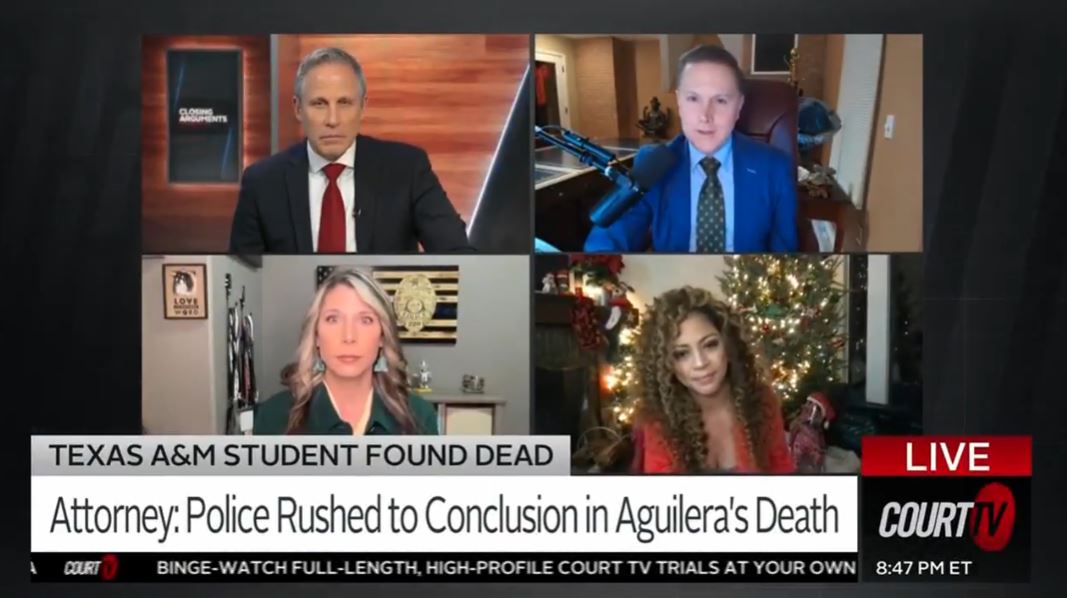
Josh Kolsrud Urges Fact Check in Aguilera Probe

Overview: The Brianna Aguilera Case and Its Broader Implications

The recent discussion surrounding the death of Texas A&M student Brianna Aguilera has sparked considerable public debate. In a widely viewed Court TV appearance, defense attorney Josh Kolsrud explained why the Austin Police Department reached a conclusion of suicide. His comments have fueled conversations regarding police methods and the public’s trust in investigative processes. This opinion editorial takes a closer look at the case, examining how police weigh evidence, the role of prior statements and phone notes, and the tension between zealous family representation and the objective pursuit of facts. By analyzing these elements, we can better understand how law enforcement and legal professionals figure a path through the tangled issues inherent in high-profile investigations.


Police Methods and the Tricky Parts of Investigative Evidence

One of the key focal points in the Aguilera case is the way in which evidence is evaluated during a police investigation. In his commentary, attorney Kolsrud emphasized the significance of repeated suicidal declarations as reported by multiple sources. When investigators report that a decedent expressed suicidal thoughts on more than one occasion, it can sometimes be a crucial piece in forming a clear picture of intent and mental state. However, it is important to recognize that not all evidence is cut and dry; there are a number of tricky parts and confusing bits in determining whether a death is self-inflicted or the result of possible foul play.


Police typically rely on the following essential indicators when forming their conclusions:

  • Repeated statements of self-harm and suicidal ideation
  • Physical evidence, such as a note expressing intent
  • Absence of defensive wounds or signs of a struggle
  • Overall mental and emotional context of the decedent

Advantages in using these elements include the ability to construct a timeline of events and to gather corroborative evidence from multiple sources. However, the system is also riddled with tension as each point can often be subjected to interpretation. For instance, if a decedent’s repeated mentions of suicide are taken out of context, or if a phone note is misinterpreted, it can lead to an investigation that may miss small distinctions or subtle details. What is critical is ensuring that each piece of evidence is not only recorded but also corroborated by additional facts.


Understanding the Evidence: The Role of Phone Notes and Prior Suicidal Comments

One of the more contentious points in the Aguilera investigation is the phone note reportedly found on her device. According to reports, this note may have contained explicit sentiments explaining her desire to end her life. From the police’s perspective, if the note is genuine and unquestionably attributable to Aguilera, it serves as super important evidence in supporting the conclusion of suicide.


When we take a closer look at this element of evidence, several key observations emerge:

  • Reliability: Authenticity and attribution of the note are non-negotiable. Establishing that the note was indeed written by Aguilera is a chief concern, as its forensic analysis might also reveal hidden complexities regarding the context in which it was written.
  • Repetition is Key: Police reports indicate that Aguilera made multiple statements about her suicidal thoughts in October. Repeated declarations carry more weight than a single, isolated comment because they suggest that her mindset was consistently troubled over a period of time.
  • Context Matters: The note must be viewed in conjunction with other pieces of evidence, such as her behavioral patterns, the scene of the death, and reports of her mental health state. Factors like heavy alcohol consumption and emotional instability serve to reinforce the interpretation presented by law enforcement.


Each of these points is emblematic of the challenges faced by investigators. While on the one hand, such evidence can offer a compelling narrative supporting a suicide conclusion, on the other, it remains critical to consider whether these individual pieces can be conclusively linked to a singular outcome without ambiguity.


Exploring the Absence of Defensive Wounds and Signs of Struggle

An essential part of police investigations in cases that could suggest foul play is the physical evidence gathered at the scene. In Aguilera’s case, reports indicate that there were no defensive wounds or marks indicative of a struggle. According to Kolsrud, the absence of such findings makes it significantly tougher for police to develop a criminal theory postulating that another person was involved in her death.


This aspect of forensic evidence highlights several issues:

  • Physical Clues: In many violent scenarios, one would expect to encounter clear signs of a physical altercation. The absence of such indicators can steer the investigation towards accepting a self-inflicted outcome as more plausible.
  • Rule-Out Factors: The lack of defensive wounds acts as a crucial rule-out point. Investigators rely on physical evidence to either confirm or contradict witness statements and other documented evidence.
  • Alternative Theories: It is important to consider that while the absence of signs of struggle lends credence to a suicide finding, it does not entirely eliminate all suspicions of external involvement. Some might argue that a victim left alone without a struggle could have been overpowered or had trouble putting up any resistance.


The role of physical evidence, such as the absence of defensive injuries, thus becomes a critical factor. It allows police to bypass some of the tangled issues that can often derail an investigation into suspicious deaths. Nonetheless, it is also important to remind ourselves that every investigation contains its own set of complicated pieces that require cautious evaluation.


Assessing Motive and Opportunity in the Context of the Aguilera Investigation

Another central theme in the race to determine the manner of Aguilera’s death is the absence of clearly identifiable motive or opportunity for any potential assailant. Law enforcement officials consider these factors essential when exploring whether a death might be a homicide rather than suicide.


In many criminal investigations, motive and opportunity are pillars that support the broader conclusion. Here’s how these elements are weighed in the context of the Aguilera investigation:

  • Motive Analysis: When a person is believed to have taken their own life, establishing that there was no external influence can help solidify the conclusion. In Aguilera’s case, police noted that her repeated expressions of distress and despair could be seen as indications that her decisions were driven by her internal struggles, rather than by an external coercive force.
  • Opportunity Considerations: The investigation took note that there were no compelling signs or circumstantial evidence that another person was present, which would hint at foul play. Without the physical or circumstantial context highlighting external involvement, it becomes more daunting for critics to challenge a conclusion of suicide.
  • Interrelated Factors: Motive and opportunity are closely intertwined with other elements of the case, including the phone note and the behavioral context. When all of these pieces are put together, they often provide a cohesive narrative. However, this process is definitely loaded with tension, since even small twists or discrepancies might alter the overall conclusion.


This part of the debate emphasizes how the absence of an external actor’s motive and the lack of opportunity for an assailant can contribute to reinforcing a police theory that leans towards suicide. Yet, some might point out that even in cases where motive and opportunity seem to be missing, certain investigations may still reopen with new forensic findings. This delicate balance between available evidence and the possibility of unexplored avenues is one of the nerve-racking aspects of any criminal investigation.


The Battle Between Family Advocacy and Law Enforcement Reporting

Attorney Josh Kolsrud made an interesting point when he commented on how the advocacy of the family’s lawyer is sometimes seen as purely a way to earn a paycheck or to push back strongly against the police’s findings. In many high-profile cases, the tension between grief-driven family advocacy and the technical analysis of law enforcement can lead to a public perception that is as divided as it is passionate.


There are several reasons why this balance is so loaded with problems:

  • The Emotional Factor: Lawyers representing grieving families are under immense pressure to question every aspect of the investigation. Their involvement is often seen as a necessary check and balance to ensure that no hidden complexities are ignored. However, when their arguments are perceived as overly aggressive or driven solely by emotion, they can sometimes be dismissed as lacking objective analysis.
  • Objective Versus Subjective Evidence: While law enforcement relies on objective data and forensic evidence to build its case, family attorneys may prioritize circumstantial and testimonial evidence. This divergence can lead to a scenario where the same set of facts is interpreted through widely different lenses.
  • Public Perception and Media Coverage: In the age of social media and round-the-clock news, narratives can quickly become polarized. The media’s role in amplifying every minor twist can lead to an environment in which even small distinctions in testimony are blown out of proportion. This public scrutiny adds a layer of complexity that legal professionals must navigate carefully.


The interplay between advocacy and evidence reminds us that while emotional appeals are completely understandable, they must always be weighed against the available facts. The challenge for legal experts is to ensure that no single element—no matter how emotionally charged—overshadows the more technical parts of an investigation.


Re-Evaluating Conclusions: The Importance of a Provisional Verdict

While a conclusion of suicide may appear to be a reasonable interpretation based on the facts presented by police, it is by no means the final word on the matter. Kolsrud’s remarks clearly stated that if future forensic findings or autopsy results reveal inconsistencies with a self-inflicted death, the case should be reopened without hesitation.


This stance underlines some key ideas:

  • Provisional Nature of Conclusions: In criminal investigations, conclusions are often provisional and subject to change as new evidence comes to light. This dynamic process ensures that justice remains flexible and responsive to emerging facts.
  • Importance of Autopsy Findings: Autopsy results can sometimes uncover subtle details that are not immediately visible at the scene. These fine points may necessitate a closer look and a complete reassessment of the overall findings.
  • A Commitment to Transparency: The willingness to revisit and potentially revise an initial conclusion is crucial for maintaining public trust in law enforcement. Open-mindedness and a commitment to re-examining the evidence are essential when the stakes are as high as they are in a case like Aguilera’s.


In practical terms, a provisional conclusion compels all involved to stay vigilant and continue gathering fine details. It means that the investigation is never truly closed, but rather, it remains an evolving record of forensic and testimonial input. Such a stance not only safeguards the integrity of the legal process but also serves as a critical reminder that in the world of criminal investigations, no verdict should be considered set in stone.


Analyzing the Police Approach: Balancing Evidence with Public Perception

The methodology employed by the Austin Police Department in this case reflects a broader approach commonly used in homicide and suicide investigations. By critically examining the absence of physical confrontation markers and piecing together the repeated emotional expressions of despair, law enforcement agencies strive to build what they consider a logically coherent case. However, this approach does not come without its own set of tricky parts.


Key aspects of the police approach include:

  • Weighing Verifiable Facts Over Speculation: The police are tasked with sorting out the objective testimony from the subjective narrative. By emphasizing repeatedly recorded suicidal statements and tangible evidence like phone notes, they aim to make their argument as bulletproof as possible.
  • Reconciling Public Opinion: The media and public often focus on what is missing—a struggle, defensive wounds, or even a clear motive for homicide. Without these, the public might believe that the investigation is superficial. In reality, however, the absence of such evidence can be as telling as its presence.
  • Openness to Re-Evaluation: As discussed earlier, the police themselves have indicated that should autopsy results or newly discovered forensic evidence point to a different cause of death, the investigation will be revisited. This keeps the process transparent and ensures that no detail—no matter how minor—is overlooked.


This approach, while systematic, also highlights the challenge of maintaining public trust. When families and advocates feel that the initial conclusion was reached too quickly or without sufficient consideration of every possibility, it can lead to significant public outcry. Therefore, balancing the need for a decisive conclusion with the openness to new evidence is a delicate dance that law enforcement must perform.


Critical Analysis of the Evidence: Weighing the Pros and Cons

Looking closely at the fine points of evidence in the Aguilera case, it becomes apparent that there are both strong arguments in support of and against the suicide conclusion. For those invested in ensuring that every twist and turn of the case is examined, the following table summarizes the key pros and cons observed in this investigation:

Aspect Supporting Evidence for Suicide Points of Contention
Prior Suicidal Statements Multiple recorded expressions of despair suggest a gradual buildup of intent. Contextual factors, such as the influence of external stressors, remain open to interpretation.
Phone Note Evidence An allegedly authentic note could provide a direct expression of intent. The authenticity and authorship of the note need rigorous forensic verification.
Absence of Defensive Wounds Lack of physical struggle indicators supports a scenario with no external assailant. Some argue that an absence might not completely rule out all forms of external involvement.
Motive and Opportunity The elimination of clear external motive or opportunity points to self-infliction. The potential for overlooked evidence highlighting a hidden external actor cannot be discounted.


Such a table not only brings to light the different layers of evidence but also helps in identifying where future investigations might need to poke around for additional clarity. It is through this methodical breakdown that both supporters and skeptics of the suicide conclusion can better understand the reasoning behind the police’s determination—and where they might disagree.


Legal Perspectives: Balancing Advocacy and Objective Analysis

The manner in which legal professionals approach cases, like that of Aguilera, often reflects a dual commitment to both objective fact-finding and zealous advocacy for their clients. With cases that are loaded with emotional nuance, lawyers on both sides must tread carefully between supporting the evidence at hand and ensuring that every potential detail is unearthed.


Important aspects of this legal balancing act include:

  • Objective Analysis: Law enforcement and independent forensic experts rely on measurable and repeatable data. This includes everything from toxicology reports to the analysis of digital footprints on devices like cell phones.
  • Advocacy for Affected Parties: Family attorneys play a keystone role in challenging established narratives if they believe that key details have been overlooked or misinterpreted. Their role is intrinsically linked to ensuring that every subtle part of the investigation is reviewed.
  • The Intersection of Emotion and Evidence: Cases involving loss, especially in such emotionally charged scenarios, often reveal a stark contrast between what the evidence seems to imply and the feelings of those left behind. Balancing these perspectives requires both legal acumen and an empathetic approach.


It is important to note that a case such as Aguilera’s not only tests the skills of forensic investigators but also the ability of legal professionals to manage public sentiment. In many ways, this conflict between advocacy and the reliance on objective data encapsulates the broader challenges facing the legal community today.


Dealing with the Overwhelming Issues: Public Perception and Media Narratives

As news outlets and social media continue to cover cases like Aguilera’s extensively, public perception often becomes as much a part of the story as the physical evidence itself. The influence of media narratives can sometimes obscure the fine details of an investigation, leading to a scenario in which emotional storytelling competes with the harder, more technical reports from law enforcement.


Several factors contribute to this phenomenon:

  • Simplification of Complex Evidence: In the realm of public reporting, it is common to see complicated pieces of evidence simplified into catch-all statements. This sometimes results in distorted views where the full context is lost.
  • Emphasis on Emotional Appeals: Stories that delved into the human aspects of a case, such as personal testimonies and heartfelt family statements, often gain traction in the media, even if they do not provide the full forensic picture.
  • Framing the Narrative: The way in which police conclusions are presented—especially if they appear to contrast with the family’s perspective—can lead to polarized opinions. In such scenarios, the careful balance between factual reporting and emotional narratives requires constant managing of public expectations.


In response to these challenges, it is crucial for legal professionals and law enforcement to maintain transparency throughout the investigative process. By openly discussing the evidence and its interpretation, authorities can help the public understand that investigations are fluid and that every piece of data—even if it seems overwhelming at first—will be carefully considered.


Lessons for the Legal Community: Finding Your Path Through Tangled Issues

The Aguilera case, with all of its twists and turns, offers several key lessons for the legal community at large. At its core, this case encapsulates the need to get into the nitty-gritty of every detail, ensuring that all subtle parts are weighed fairly before arriving at a conclusion.


Some of the super important lessons that attorneys, investigators, and the public can take from this case include:

  • The Importance of Thorough Documentation:

    Every statement, note, and piece of physical evidence must be meticulously documented. This is critical for building a coherent narrative that can stand up to scrutiny in legal settings.

  • Openness to New Evidence:

    As forensic methods evolve, what might have been considered conclusive at one stage of an investigation can later be reevaluated with more sophisticated technologies. It is vital that investigators remain ready to reconsider previous findings if new clues emerge.

  • Collaboration Across Disciplines:

    The collaboration between law enforcement, forensic experts, and legal professionals is key. A combined effort often uncovers little details that might otherwise be missed if each entity operated in isolation.

  • Balancing Advocacy and Factual Analysis:

    Legal advocates must always ensure that their arguments are grounded in verifiable facts. While emotional appeals are natural, especially in cases involving loss and tragedy, they must not override a rational evaluation of all available evidence.


These lessons serve as a reminder that legal practice is not simply about defending or prosecuting, but about ensuring that the truth is revealed—even when that truth is wrapped in tangled issues and nerve-racking uncertainties.


Reflections on the Dynamic Nature of Criminal Investigations

Criminal investigations, particularly those involving high-profile cases, are rarely straightforward. The Aguilera case illustrates that each investigation is filled with twists and turns that require continuous re-examination. While the current evidence may support a conclusion of suicide, the investigative process does not end there. It remains an evolving exploration where new forensic details have the potential to completely alter the understanding of events.


This dynamic nature is evident in how law enforcement approaches each new piece of evidence:

  • Reevaluation Process:

    If corroborative findings suggest that the current narrative does not fully capture the reality, investigators are prepared to re-open the case. This ensures that every potential angle is considered before a final verdict is reached.

  • Continuous Learning:

    Every high-profile case contributes to a broader pool of knowledge. Lessons learned from earlier investigations guide investigators in managing the confusing bits of new cases, helping them to better figure a path through similar challenges in the future.

  • Public Communication:

    Maintaining open lines of communication with the public is crucial. When authorities explain the reasoning behind provisional findings, it fosters trust and ensures that the community remains informed about the investigative process.


In this way, the policing of complex fatalities becomes less about a single moment of conclusion and more about a rigorous, ongoing evaluation of every single part of the evidence. While this process may seem intimidating or off-putting at times, it ultimately lends strength and credibility to the legal processes that govern society.


Looking Ahead: The Future of Investigative Transparency and Public Trust

Given the critical nature of cases like that of Brianna Aguilera, the future of investigative transparency is an issue that deserves our full attention. Police departments and legal institutions must work together to ensure that their methods for assessing evidence continue to evolve and that public trust is maintained through clear, open communication.


Some key strategies moving forward include:

  • Enhanced Forensic Technologies:

    Investing in modern forensic analysis can help illuminate the fine points of each investigation. More accurate data can lead to earlier identification of discrepancies and better overall evaluations.

  • Regular Public Updates:

    By briefing the community on how evidence is reviewed and integrated into the broader narrative, law enforcement can help reduce the nerve-racking uncertainty that often surrounds high-profile investigations.

  • Collaboration with Independent Experts:

    Partnering with external forensic and legal experts can provide additional layers of scrutiny. This collaborative strategy not only strengthens the case but also bolsters public confidence in the investigated outcomes.

  • Structured Oversight:

    Implementing oversight mechanisms that monitor the entire investigative process can help ensure that every piece of evidence is critically examined without bias, thereby improving both internal accountability and public transparency.


Ultimately, when the processes behind investigations are visible and continuously refined, it becomes easier for both legal professionals and the public to work through the tangled issues that arise in such cases. This is not just beneficial for uncovering the truth behind any single case, but is also super important for strengthening the integrity of the legal system as a whole.


Conclusion: A Balanced Look at a Case Under Continuous Scrutiny

The Brianna Aguilera investigation continues to be a topic on which expert opinions and public sentiments diverge. While defense attorney Josh Kolsrud asserts that the available evidence—ranging from phone notes and repeated suicidal statements to the absence of physical signs of struggle—supports the conclusion of suicide, it is clear that every interpretation of the evidence carries its share of tangled issues and nerve-racking uncertainties.


This opinion editorial has taken a closer look at the investigative process as presented in the Aguilera case, exploring the essential aspects of police methodology, the weighing of objective versus subjective evidence, and the complex interplay between legal advocacy and public sentiment. Through tables outlining key evidence pros and cons, and bulleted lists summarizing critical analysis points, we have seen that effective criminal investigations are never static but always subject to future revision when new details surface.


In an era where every piece of evidence is scrutinized and every narrative is shared widely, the importance of maintaining transparency and remaining open to reassessment cannot be overstated. If new forensic findings suggest that the narrative needs adjustment, the responsible course of action is to re-examine every small aspect of the case with fresh eyes. Only by doing so can justice be truly served, both for the victim’s memory and for the community’s sense of security.


By recognizing the fine details in evidence and balancing the often conflicting perspectives of law enforcement and family advocates, we can work toward a legal process that is both objective and empathetic. Although the current findings in Aguilera’s case lean towards suicide, they remind us that every investigation is a living process—loaded with intricate parts that require both critical analysis and a willingness to adjust as new facts come to light.


At the end of the day, the search for truth is an ongoing quest, one that demands both the determination to dig into every confusing bit and the humility to accept that sometimes additional evidence may change the narrative entirely. It is through this rigorous, transparent, and balanced approach that the public can have confidence in the system—one that is ready to steer through even the most intimidating and nerve-racking challenges with integrity and dedication.

Read more about this topic at https://kolsrudlawoffices.com/brianna-aguilera-death-investigation/

Related articles you might like
Title 18 - CRIMES AND OFFENSES - PA General Assembly
Trial by Google: Judicial Notice in the Information Age


* This article was originally published here

Share:
Arizona Car Child Endangerment Laws Explained

The Legal Framework Underlying Child Endangerment Charges in Arizona

In Arizona, the law concerning child abuse and endangerment carries several twists and turns that parents and guardians should be well aware of. Under ARS §13-3623, a caregiver can face serious charges if their actions, even inadvertently, put a child at a substantial risk of harm. While the statute does not specifically state that leaving a child alone in a car is illegal, prosecutors have ample room to press charges when negligence or reckless behavior leads to a dangerous situation. This legal gray area makes it essential for anyone who cares for a child to understand what constitutes criminal behavior under Arizona law.

In simple terms, if a parent or guardian leaves a child unattended in a car and that decision creates a substantial risk of serious injury or death, criminal charges for child abuse or endangerment may follow. Even without physical harm, the mere potential for danger can be enough to trigger significant legal consequences. As we get into the details, it becomes clear that the law is designed to shield children from hazardous situations, especially in a state known for its extreme temperatures.

The Tricky Parts of Leaving a Child Alone in a Car

Arizona’s blistering heat and rapidly escalating in-car temperatures are among the most complicated pieces of the debate surrounding unattended children. The idea is not solely about intentional neglect but rather about understanding the cascading effects that a brief lapse in judgment can have. By leaving a child alone, even for just a few minutes, a parent or guardian risks legal repercussions that extend far beyond a simple mistake.

Even if the absence is momentary, law enforcement can interpret the situation as one loaded with issues. The decision to leave a child in a car is not only a matter of practical safety but also becomes a hot topic in legal terms. When temperatures outside soar, the inside of a vehicle can become an overwhelming danger zone, with risks that are both immediate and significant.

Heat Risks and the Internal Dangers of Parked Vehicles

One of the most nerve-racking aspects of leaving a child in a parked car in Arizona is the swift and dangerous rise in temperature. Scientific research and numerous tragic events indicate that vehicle interiors can heat up by 20 degrees or more in just 10 minutes. Consider this: on a 100-degree day, the inside of a car can quickly climb to over 120 degrees, making it a veritable oven for a child.

The dangers include:

  • Heatstroke, which can cause rapid loss of consciousness and even death.
  • Accidental car movement if the vehicle is left running or not properly secured.
  • Risks of strangulation from seatbelt entanglement or malfunctioning power windows.
  • The potential for a kidnapping or harm if the unattended vehicle becomes a target.
  • Suffocation due to restricted airflow within the car, exacerbated by extreme heat.

These risks illustrate the small distinctions between a seemingly trivial error and an act that courts view as recklessly endangering the health of a minor. When dealing with such dangerous situations, even a brief lapse in supervising a child can be interpreted harshly by the legal system.

Penalties and Consequences: The Nitty-Gritty of Legal Ramifications

The legal consequences for leaving a child unattended in a vehicle vary significantly depending on the circumstances and the level of risk involved. Arizona law categorizes these offenses based on the severity of the outcome and the apparent negligence of the guardian.

The following table summarizes the potential charge classifications and associated penalties under ARS §13-3623:

Situation Offense Classification Potential Penalties Relevant ARS Section
Endangering a child without injury Class 1 Misdemeanor Up to 6 months in jail, fines up to $2,500, probation, and mandatory parenting classes ARS §13-3623(B)(3)
Substantial risk of imminent death but no injury Class 6 Felony Up to 18 months in prison, fines up to $150,000, and possible DCS supervision ARS §13-3623(B)(2)
Child suffers injury due to neglect or heat exposure Class 3 Felony 2.5 to 7 years in prison, possible loss of custody, and a lifelong felony record ARS §13-3623(A)(2)
Child dies as a result of the incident Class 2 Felony 4 to 10 years in prison and permanent loss of parental rights ARS §13-3623(A)(1)

The table above clearly demonstrates the scale of consequences that can arise from one mistaken decision. Even if no physical harm is evident, the potential for such outcomes is enough to prompt harsh penalties. For parents, understanding these punishments can serve as a super important reminder of the risks associated with leaving a child unattended in a vehicle—especially under Arizona's punishing heat conditions.

Common Defenses Against Charges of Leaving a Child Unattended

When facing a charge under ARS §13-3623 for leaving a child alone in a car, defendants have several defense strategies available. It is important to note that each case carries its own set of tricky parts that can influence the outcome.

Some of the more common defenses include:

  • Lack of Intent to Harm: Arizona law requires a demonstrable intention to either knowingly or recklessly place a child at risk. If a parent can prove that the incident was unintentional or a misunderstanding, this defense may work in their favor.
  • Brief or Reasonable Absence: If an incident involves only a fleeting moment—perhaps a few seconds to run a quick errand—defense attorneys might argue that the risk was overblown or nonexistent.
  • Mistaken Identity or False Report: In situations where witnesses are uncertain, evidence like security footage or inconsistent accounts can offer substantial relief from charges.
  • Emergency Circumstances: Cases where the caregiver was forced into a brief absence due to a sudden medical or urgent situation might qualify as a legitimate defense, proving the absence was unavoidable.
  • Procedural or Constitutional Errors: If law enforcement fails to follow required protocols or if the defendant’s rights are violated during the gathering of evidence, it can lead to motions that may suppress crucial evidence or even result in dismissal of charges.

These defenses highlight the fine points of criminal law as they pertain to child endangerment. While the legal road can be full of problems and even confusing bits, a seasoned attorney can often help steer through the system and find a path to mitigate or dismiss charges.

Steps for Bystanders: What to Do When You Witness a Child Alone in a Car

Encountering a situation where a child is left unattended in a car can be nerve-racking and overwhelming. Bystanders play a critical role in ensuring the immediate safety of a child while balancing legal concerns and personal safety. Here are some steps to take if you find yourself in this precarious scenario:

  • Call 911 Immediately: Contact emergency services right away. Provide them with the exact location, a description of the vehicle, and any immediate indications of the child being in distress.
  • Assess the Situation: Without endangering yourself, determine if the child appears to be in an unsafe environment. If the car is locked and the child shows signs of distress, wait for professional help before intervening.
  • Check for Alternative Solutions: If the vehicle is unlocked and it seems safe, consider opening a door to improve ventilation. However, do not break a window unless the child’s life is at risk—this measure should only be a last resort.
  • Document What You See: If possible, note details or take photos from a safe distance to help law enforcement piece together the scenario later.
  • Remain On-Site: Stay nearby to answer any questions from emergency responders, but do not put yourself in harm's way.

Arizona law does not offer a broad Good Samaritan shield for civilians who may decide to break into a vehicle, so extreme caution is warranted. The key is to ensure that the child is safe while allowing professionals to manage the situation. By following these steps, bystanders can help prevent potential tragedies while also safeguarding themselves from legal repercussions.

How Experienced Legal Counsel Can Help Defuse a Crisis

For parents or guardians who find themselves facing the consequences of a momentary lapse—whether due to a short absence or an emergency—a seasoned defense attorney can be the difference between a ruinous criminal record and a chance at restoring your reputation. Attorneys familiar with Arizona’s child endangerment laws understand the small distinctions that separate a misunderstood mistake from a criminal charge.

Legal experts who have successfully argued cases similar to these know how to gather evidence, spot inconsistencies in the prosecution’s case, and use procedural or constitutional errors to the defendant’s advantage. This makes it essential for anyone facing such charges to seek help immediately. Skilled attorneys can assist in:

  • Reviewing all evidence and witness accounts
  • Consulting with experts in vehicle safety and child psychology
  • Voicing a compelling narrative that emphasizes the lack of harmful intent
  • Negotiating with prosecutors to reduce charges or achieve dismissal

When the stakes are this high—a parent’s freedom and their ability to care for their child hang in the balance—working with an attorney who is both experienced and compassionate is super important. Legal representation is not just about fighting a case; it’s about protecting the rights and future of a family in challenging and tense circumstances.

Parenting in a Hot Climate: Tips for Avoiding Legal Trouble

Given the unique environmental challenges in Arizona, parents must take extra precautions to prevent any situation that might be misinterpreted as neglect. Here are several practical tips for parents to help keep their children safe and avoid falling into legal pitfalls:

  • Plan Ahead: Make sure there is always a trusted person with your child if you need to run a quick errand. Even a few minutes unsupervised can be risky.
  • Check the Weather: In the blistering heat of Arizona, avoid leaving children alone in vehicles during periods of extreme temperature. A quick change in the weather can turn a safe situation into a dangerous one.
  • Use Technology: Many modern vehicles come equipped with notification systems that alert you if a door is open or if the cabin temperature rises unexpectedly.
  • Establish a Routine: Create habits that ensure a child is never left unattended. Arrange backup childcare options for emergencies or brief absences.
  • Educate Yourself: Stay informed about recent changes in local laws and court decisions that could impact how cases of child endangerment are prosecuted in your area.

By following these guidelines, parents can reduce the chance of confusing bits turning into tragic legal confrontations. This pragmatic approach is especially useful in a state where the heat can escalate a seemingly minor error into a scenario full of legal problems.

A Closer Look at the Impact on Families and Communities

The repercussions of a child endangerment charge resonate far beyond the individual family involved. When accusations of neglect or recklessness come into play, they can affect employment, future educational opportunities, and even family dynamics. A record that includes a felony or misdemeanor for child endangerment can lead to long-term challenges.

Community trust in the legal system is also tested by these cases. As prosecutors push forward with charges—to protect vulnerable children—the underlying intent is to create a safe environment for all minors. However, this legal safeguard can sometimes result in unintended consequences, where parents who have made a brief error are entangled in prolonged legal battles.

In such cases, community-based legal advice and strong familial support systems become essential. When legal proceedings are handled with a heavy hand, it can create tension not just among the immediate families, but within the broader community, which may view the measures as either too strict or not protective enough.

Comparing Similar Cases and Legal Precedents

Diving into previous cases helps in understanding the fine points of how the law is applied in practice. Several cases in Arizona have set significant legal precedents. These cases illustrate that even if the child remains unharmed, charges can be pursued if evidence suggests a substantial risk was present.

For example, there have been cases where a brief absence—a parent grabbing a few necessary items—has led to full-blown legal challenges. In one noted instance, the court carefully reviewed the circumstances and found that while there was never any intention to harm, the environment inside the vehicle was enough to warrant prosecution.

These cases underscore the necessity for parents to be extremely cautious and for defense attorneys to be adept at highlighting that the momentary absence did not equate to a true neglect of duty. The subtleties in these cases—the little twists that set apart a genuine mistake from a criminal act—are often the battleground where much of the legal dispute is fought.

Community Advocacy and the Role of Public Policy

As awareness about the risks of leaving a child unattended in a vehicle grows, public policy discussions inevitably surface. Lawmakers and community leaders are increasingly focusing on creating guidelines that are both protective of children and fair to parents. Advocacy groups in Arizona are using these discussions to propose clearer statutes that directly address the specific hazards of unattended children in vehicles, potentially bridging the gap between safety concerns and parental rights.

This ongoing debate is a reminder that the current legal landscape is continually evolving. It highlights a need for laws that not only deter potential harm but also consider the realistic scenarios that many parents face every day. Until these statutes are refined, parents must remain vigilant and proactive in their approach to child safety.

Taking the Wheel: How Families Can Empower Themselves Legally

Empowering yourself as a parent includes understanding your rights and being prepared for the unexpected. Knowing what steps to take if an incident occurs and having a plan to secure legal help are steps that can make a world of difference.

Some proactive measures include:

  • Legal Education: Attend community legal workshops and seminars that focus on family law and child safety. The more you know about your responsibilities and rights, the better you can protect your family.
  • Create a Response Plan: Develop a clear set of actions to follow if you are ever in a difficult situation. This might include emergency contacts, nearby trusted family members, or even legal counsel.
  • Document Procedures: Keeping a record of your childcare arrangements can be useful in demonstrating responsible behavior in the unfortunate event of a legal inquiry.
  • Maintain Open Dialogue: Engage with your local community and law enforcement to better understand local practices and policies regarding child safety and neglect.

Taking these measures is not only about preventing legal challenges, but also about making sure that you are always prepared to protect your most precious asset—your child.

Assessing the Broader Impact on Legal and Social Systems

The legal approach to child endangerment in cases of unattended vehicles is just one piece of a much larger puzzle. The conversation around it reflects broader societal values and priorities. Arizona’s legal system, known for its strict measures, aims to provide a clear message: a child's safety is paramount. However, the methods of penalization used to enforce this law also influence public perceptions of justice and fairness.

Civic leaders, legal professionals, and community advocates must work together to strike a balance between upholding child safety and acknowledging that some situations involve complicated pieces and unintended mistakes. This balancing act is crucial because overly harsh measures can have lasting negative impacts on families, while too lenient an approach might fail to protect children adequately.

In the end, public policy must evolve with a keen understanding of these issues, ensuring that the law remains both fair and effective. It is a conversation that requires regular re-evaluation and input from all stakeholders involved.

Conclusion: A Call for Preventive Action and Informed Advocacy

The question of whether it is a crime to leave a child unattended in a car in Arizona is not as straightforward as it may seem. While the law does not explicitly forbid the act, it provides a framework through which prosecutors can argue that such behavior poses a substantial risk to a child’s well-being. The legal system’s approach, filled with its tricky parts, tangled issues, and confusing bits, makes it essential for parents and guardians to be both informed and cautious.

Arizona’s extreme climate amplifies the risks associated with even a momentary lapse in supervision. With temperatures that can skyrocket in minutes, the potential for heat-related harm is real—and the law reflects this by imposing significant penalties for what might sometimes be mere moments of negligence.

For those who find themselves facing legal challenges under ARS §13-3623, the importance of seeking experienced legal counsel cannot be overemphasized. Whether it is demonstrating a lack of intent, proving that any absence was both brief and reasonable, or pointing out procedural errors, a skilled attorney can help clear up the tangled issues and defend against charges that could otherwise upend a family’s future.

Moreover, for communities and lawmakers, this issue remains a delicate balancing act. The goal is to protect our children while ensuring that the legal system does not disproportionately penalize parents who have made an off-putting yet momentary mistake. A more refined legal framework that addresses these tricky parts more clearly, along with continuous public discourse, will ultimately be beneficial for everyone involved.

As parents, community members, and legal professionals continue to grapple with these challenges, proactive measures, informed advocacy, and preventive planning are the keys to ensuring that responsible caregiving is recognized, and that families are supported rather than inadvertently torn apart by a single error.

Ultimately, leaving a child unattended—even in circumstances that seem unavoidable—carries risks that extend beyond the personal and into the legal realms. Awareness, education, and clear guidelines are essential means by which the community can work together to protect its youngest members while supporting parents who sometimes face nerve-racking decisions. It is a conversation that demands ongoing consideration, thoughtful action, and a collaborative effort between families, legal experts, and community leaders.

If you ever find yourself in a place of uncertainty or facing charges related to child endangerment, remember that expert legal help is available. Engage with knowledgeable professionals who can help you figure a path through the system, ensuring that your rights are safeguarded and that the welfare of your child remains the top priority.

Read more about this topic at https://arjashahlaw.com/criminal-defense/child-alone-in-car-endangerment/

Related articles you might like
Tennessee Code § 39-15-401 (2024) - Child abuse and ...
Tennessee Code Title 39. Criminal Offenses § 39-15-402


* This article was originally published here

Share:

Wednesday, July 16, 2025

Unraveling the Mystery of Federal Conspiracy Laws under 18 USC Section 371

The Challenge of Federal Conspiracy Charges: A Legal Opinion

Conspiracy charges under 18 U.S.C. § 371 represent one of the trickiest parts of federal criminal law. Even if no underlying crime is carried out, agreeing to commit a federal offense—and taking a single overt act—can lead to severe consequences. In this opinion editorial, we’re going to take a closer look at the key elements, potential penalties, and defenses related to federal conspiracy charges, particularly as they intersect with state procedures in Arizona. We’ll also offer insights into why early legal guidance is super important if you’re facing these nerve-racking charges.

Federal conspiracy law might feel overwhelming at first glance, but by breaking it down into its essential elements and exploring the fine points of case law, defendants and their families can find clarity. Let’s work through the twists and turns of 18 U.S.C. § 371 and see how it affects those implicated in federal investigations.


Understanding 18 U.S.C. § 371: The Basics

At its core, 18 U.S.C. § 371 criminalizes a conspiracy to commit an offense against the United States or to defraud any of its agencies. This statute is broad and is widely used by federal prosecutors to charge individuals even when the planned crime was never fully executed. Below, we dig into the critical points of the statute and what it means for those facing federal conspiracy charges.


What Does 18 U.S.C. § 371 Cover?

This law essentially makes it unlawful for two or more people to conspire to commit a federal crime or defraud the government—and then to take even one overt step toward accomplishing that plan. The act of conspiring does not require the successful completion of the underlying offense. Here are the key components:

  • An Agreement to Commit a Federal Crime: There must be an understanding between at least two individuals to engage in behavior that violates federal law.
  • Criminal Intent: Each conspirator must knowingly join the scheme with the intent to break federal law. Accidentally becoming caught up in the plan does not meet the statutory requirement.
  • An Overt Act: One clear, outward act by any conspirator to push the plan forward is enough to satisfy this requirement, regardless of whether the final crime was completed.
  • Federal Nexus: The crime must involve a violation of federal law or target a U.S. agency—emphasizing that this statute is not just for petty offenses but for actions that affect the entire nation’s legal framework.


Why the Overt Act Matters

An overt act is a crucial element in conspiracy cases. It means that as soon as one conspirator does something to help the plan—whether it’s sending wire transfers in a fraud scheme, purchasing necessary tools, or coordinating discreet communications—the federal government can step in with charges. This requirement ensures that mere talk does not usually result in charges, but moving into actionable steps, however minor, changes the game entirely.


Breaking Down the Tricky Parts of Conspiracy Charges

Analyzing the fine points of conspiracy law requires a deep look into the particular elements that can either implicate or exonerate a defendant. In this section, we’ll work through the little details that make conspiracy charges one of the most debated areas in criminal defense.


Key Elements of a Conspiracy Charge

Prosecutors must prove several aspects beyond a reasonable doubt to secure a conviction under 18 U.S.C. § 371. Here’s a breakdown of these necessary components:

  • Agreement: There must be clear evidence of an understanding between two or more people to pursue illegal activity. This agreement can be inferred from the behaviors and communications among the conspirators.
  • Intent: Every member of the supposed conspiracy must have taken part willingly and with the conscious purpose of breaking federal law. This means that accidental or coerced participation might offer a basis for a defense.
  • Overt Act: At least one member must have taken an observable step to begin executing the plan. This observable step can range from simple communications to more involved actions such as recruiting additional participants or gathering necessary materials.
  • Federal Impact: The scheme must pertain to a crime against the federal government, which may include frauds or schemes aimed at government programs.

In many cases, the evidence of these criteria is built through surveillance, wiretaps, confidential informants, and even digital footprints. As the layers of proof stack up, understanding these nitty-gritty legal requirements becomes essential for both prosecutors and defense teams.


Common Federal Offenses Linked to Conspiracy Charges

Federal conspiracy charges are not limited to any one type of crime. They often overlap with various offenses, leading to complicated legal strategies. Some common areas include:

  • Drug Trafficking: Federal prosecutors might charge multiple individuals involved in the manufacture, distribution, or sale of controlled substances.
  • Fraud Schemes: Cases of healthcare fraud, tax fraud, and wire fraud frequently use the conspiracy statute to target networks of conspirators involved in defrauding government programs or the public.
  • Elections and Campaign Finance Violations: Federal laws about election fraud sometimes involve conspiracy charges when orchestrated schemes are uncovered.
  • Defrauding Government Agencies: This broad category can include fraudulent actions against federal bodies such as the housing administration or financial institutions.

It is this wide-reaching application that adds to the perceived burden of the statute. Not only can prosecutors charge multiple individuals connected through a network, but they can also target cases where not every member was equally involved in the preparatory steps. The flexibility of the statute means that even peripheral participation could result in heavy sanctions.


Real-World Implications in Arizona

While 18 U.S.C. § 371 is a federal statute, its interaction with state law—particularly in Arizona—adds another layer of complexity for anyone dealing with federal investigations. Understanding the interplay between federal and state laws is super important when crafting a defense strategy.


How Federal and Arizona Laws Overlap

Arizona’s legal system has its own set of rules regarding conspiracy, which can sometimes complicate matters for defendants. Federal law governs the prosecution of the alleged conspiracy, but local procedures and statutes can influence how cases are pursued and tried. Here’s how these overlapping jurisdictions function:

  • Dual Prosecution Possibility: In certain situations, a defendant might face charges both federally and under state law. This dual prosecution can lead to compounded penalties if a defendant is convicted in both arenas.
  • Enhanced Penalties: Even if a federal conspiracy charge is the primary concern, a conviction in Arizona based on state conspiracy rules may indirectly enhance federal sentencing through established sentencing guidelines.
  • Local Investigative Techniques: Federal cases often begin with local investigations. Arizona law enforcement agencies can help build the case, making it critical that defendants secure early legal advice to understand local practices and potential federal implications.

This intersection can be particularly confusing. For defendants new to federal criminal law, these state-related twists and turns may make the legal process feel even more intimidating. Understanding these local influences not only clarifies the nature of the charges but can also provide strategic advantages in mounting a defense.


Table: Comparing Federal and State Conspiracy Considerations

Aspect Federal Considerations Arizona (State) Considerations
Scope of Law Applies to offenses against U.S. agencies or federal programs Focuses on conspiracies violating state criminal statutes
Legal Procedures Often involves complex federal investigations and wiretaps May be initiated through local police investigations
Penalties Up to 5 years for felony conspiracies; can compound with other charges Enhanced penalties possible if state statutes support the conspiracy
Defendants’ Rights Protected under federal constitutional rights and due process State-specific legal defenses may be available


Strategies for Defending Against Conspiracy Charges

Facing a federal conspiracy charge is nerve-racking, and the legal environment is loaded with problems that can make it difficult to figure a path out of trouble. Crafting a sound defense means understanding both the specific charges and the small distinctions in how the law is applied. Here, we discuss several defense strategies that can be useful for someone charged under 18 U.S.C. § 371.


Defining Your Level of Involvement

One key aspect of a strong defense is establishing whether or not you truly participated in the conspiracy. The following points are critical:

  • Lack of Agreement: Demonstrate that you never agreed to participate in any illegal plan, even if you were in close contact with other conspirators.
  • No Overt Act: Argue that there is insufficient evidence to prove that you took any observable action to advance the conspiracy.
  • Withdrawal from the Scheme: If you distanced yourself from the conspiracy before any overt actions occurred, this can serve as a powerful defense strategy.

Your attorney can help dig into the evidence, highlighting any confusing bits or twisted interpretations that might suggest your non-participation in the plan. At times, simply proving that you were not an active advocate of the conspiracy can result in charges being dropped or reduced.


Challenging the Overt Act Evidence

Federal prosecutors must prove that an overt act took place to further the conspiracy. However, this piece of evidence can be open to interpretation. Defense strategies in this area include:

  • Examining the Definition: Scrutinize whether the alleged act truly qualifies as an overt act under the law. Sometimes, acts can be misinterpreted or exaggerated.
  • Questioning the Evidence: Evaluate whether the evidence linking you to the alleged overt act is circumstantial or based on misinterpretation of your actions.
  • Presenting Alternative Explanations: Offer explanations that suggest your actions were either innocuous or taken under circumstances that do not indicate active participation in a conspiracy.

This approach requires a deep dive into the evidence gathered by federal investigators. Each of the subtle parts of the evidence may hold a clue to undermining the prosecution’s argument.


Using Entrapment as a Defense

Another possible defense is to argue that law enforcement induced you into participating in the conspiracy—a tactic known as entrapment. Entrapment can be a valid defense if:

  • You Were Coerced: Prove that you were pressured or misled by federal agents into taking actions that you would not have otherwise taken.
  • Lack of Predisposition: Establish that you were not originally inclined to participate in any criminal activity before law enforcement involvement.

This defense involves a detailed examination of both your past behavior and the interactions you had with agents. Successful use of the entrapment defense hinges on uncovering any evidence that shows you were pushed into the conspiracy rather than actively choosing to engage in it.


Identifying Procedural Flaws

Given the loaded nature of federal investigations, there are often procedural missteps that can work to a defendant’s advantage. Examples include:

  • Improper Evidence Collection: If evidence was obtained without following proper protocols, it may be suppressed, casting significant doubt on the prosecution’s case.
  • Violations of Constitutional Rights: Any infringements on your rights during an investigation (such as illegal searches or delays in legal representation) can be grounds for dismissing some or all of the charges.
  • Misinterpretation of Conversations: In cases involving digital communications or informal meeting remarks, the hidden complexities of intent might be misrepresented. A defense can aim to clarify the context and demonstrate that the evidence was taken out of context.

Working with experienced legal counsel who can dig into these tangled issues is essential. They have the knowledge to poke around the evidence and seize any opportunities to challenge the prosecution’s case.


How Early Legal Intervention Can Shape the Outcome

When facing federal conspiracy charges, one of the key recommendations is to secure legal help as soon as possible. Early intervention can have a profound impact on the eventual outcome of your case. Here’s why this step is critical:


Benefits of Prompt Legal Representation

Engaging a seasoned criminal or federal defense attorney early can help you in multiple ways:

  • Evidence Preservation: An early legal presence ensures that any evidence that may hurt your case is identified and, when possible, challenged or preserved for your defense.
  • Strategic Deterrence: Proactive legal advice can prevent missteps during interactions with law enforcement. Your attorney can also preemptively negotiate with federal prosecutors where appropriate.
  • Clearer Understanding of the Charges: With an experienced lawyer by your side, you can gain insight into the fine shades of the charges against you, turning confusing bits into a coherent defense strategy.

In federal conspiracy cases, prosecutors sometimes press charges early in an investigation to encourage cooperation or plea deals. Immediate legal consultation can provide a roadmap for how to steer through these charges and manage your defense effectively.


Real-Life Scenarios and Lessons Learned

There are multiple accounts of individuals facing federal conspiracy charges who managed to achieve more favorable outcomes through early and strategic legal aid. Consider these generalized scenarios:

  • Scenario One – The Peripheral Involvement Case: An individual, inadvertently associated with a group planning a fraud scheme, secured early legal counsel. Through clear evidence that they did not participate in the overt acts, the charges were eventually dismissed.
  • Scenario Two – The Entrapment Defense: A case where a defendant was coaxed into participating in a conspiracy was successfully defended by proving that law enforcement tactics prompted involvement. Early intervention allowed the defense team to collect vital contextual evidence.
  • Scenario Three – Procedural Missteps: In this case, early legal representation identified procedural oversights by federal agents. Challenging these missteps led to suppression of key evidence, significantly weakening the prosecution’s stance.

These hypothetical examples illustrate that waiting too long can result in a loss of control over the narrative. The sooner you consult with a federal defense attorney, the better your chances of mitigating potential penalties—and possibly even having the charges dropped altogether.


Understanding Penalties for Federal Conspiracy Charges

The penalties for a conviction under 18 U.S.C. § 371 can be severe. The general statute provides for a maximum sentence that can extend up to five years, but depending on the underlying crime, the punishment could be even harsher. It’s important to appreciate the weight these charges carry, as well as the additional consequences that may follow.


An Overview of Sentencing

Here is a simplified breakdown of how sentences may be structured under federal conspiracy statutes:

Type of Conspiracy Maximum Sentence
Conspiracy to Commit a Felony Up to 5 years (or the same sentence as the underlying felony if that is higher)
Conspiracy to Commit a Misdemeanor Up to 1 year (matching the potential sentencing for the misdemeanor)
Conspiracy to Defraud the United States Up to 5 years along with fines and additional financial penalties

Other potential consequences of a federal conspiracy conviction include a permanent felony record, asset forfeiture, federal probation, and even immigration-related ramifications for non-citizens. In cases where violence or other aggravating factors are involved, federal sentencing can be enhanced further, making the need for a robust defense even more super important.


Additional Legal and Social Implications

Beyond the formal penalties imposed by the statute, a federal conspiracy conviction also carries significant collateral consequences:

  • Employment Challenges: A felony record can affect future job prospects, particularly in careers that require extensive background checks.
  • Loss of Professional Licenses: Many professional certifications or licenses may be jeopardized if you are convicted.
  • Social Stigma: The label of being involved in a conspiracy can affect personal relationships and community standing.
  • Long-Term Monitoring: Federal cases often result in longer-term probation or monitoring, further complicating one’s ability to return to a normal life.

These far-reaching effects underscore the necessity for early legal intervention and a thorough exploration of every possible defense.


What to Do If You Are Facing Federal Conspiracy Charges

If you find yourself under investigation or facing charges under 18 U.S.C. § 371, it’s essential to act quickly. The sooner you engage an attorney experienced in federal criminal defense, the more likely you are to have your rights protected throughout this entire nerve-racking process.


Immediate Steps to Take

Here are some immediate actions you should consider if you are connected to a federal conspiracy case:

  • Contact a Qualified Attorney: Look for legal counsel who has a strong track record in federal criminal defense and a thorough understanding of both federal and state procedures.
  • Document Everything: Keep records of all communications, interactions, and documents that could be relevant to your case. This includes digital messages, emails, and any evidence that might show your lack of involvement.
  • Avoid Self-Incrimination: Exercise your right to remain silent and do not discuss your case details with anyone other than your attorney. Even seemingly innocent conversation can be misinterpreted.
  • Gather Evidence for Your Defense: Work with your attorney to assemble any documentation or witnesses that may support your claim of non-involvement or misinterpretation of your actions.

Taking these steps promptly can help preserve your legal rights and enable your defense team to formulate a strong and persuasive case.


Understanding the Role of Legal Support Networks

Legal cases of this nature are often on edge and loaded with issues that can seem impossible to overcome alone. A robust legal support network can help you:

  • Interpret the Evidence: Experienced attorneys can figure a path through complicated layers of evidence and identify any procedural missteps.
  • Coordinate Expert Testimony: Sometimes, cases require expert witnesses who can speak to the context of digital communications, financial transactions, or other aspects of the case.
  • Offer Emotional Support: Facing federal charges can be overwhelming. In addition to legal advice, many support networks provide counseling and community resources to help you manage the personal toll of such investigations.

Engaging support early can relieve some of the nerve-racking pressure and ensure that you have access to all necessary resources.


Final Thoughts on Federal Conspiracy Charges

Federal conspiracy charges under 18 U.S.C. § 371 represent one of the most complicated and intimidating segments of criminal law. This statute is loaded with potential pitfalls—ranging from defining your involvement to navigating the additional layers imposed by state laws like those in Arizona.

One of the most critical takeaways is the importance of early, skilled legal intervention. Whether you are facing charges directly, under suspicion, or simply caught in the investigative net, understanding these twisted issues early on can be the difference between a fair outcome and a lasting legal record with significant repercussions.

Taking the time to examine each fine point—such as the nature of the overt act, the explicit intent required, and any procedural lapses—can help you and your defense team mount a solid argument for minimizing the damage. Remember, not every action that appears incriminating is evidence of active involvement in a conspiracy. Often, the true complexity lies in the details.


Key Takeaways for Defendants

  • Understand the Law: Familiarize yourself with the twist and turns of 18 U.S.C. § 371 and how it might apply to your situation.
  • Early Intervention is Super Important: The moment you suspect involvement or are contacted by investigators, contact a defense attorney with federal experience.
  • Document and Preserve Evidence: Every message, conversation, or document can be crucial in demonstrating that you did not share in the conspiratorial intent, or that you withdrew early.
  • Leverage Defense Strategies: Whether it is challenging the evidence of an overt act, asserting that you were entrapped, or pointing out procedural flaws, every defense angle must be fully explored.

Every situation is unique, and federal conspiracy charges often unfold amidst a series of complicated pieces and confusing bits. That said, knowledge of your rights and the law is key to preparing a robust defense.


The Role of Experienced Legal Advocacy

The legal landscape around federal conspiracy charges is constantly evolving. Experienced attorneys who have successfully worked through similar cases bring not only tactical expertise but also a nuanced understanding of the subtle differences in evidentiary standards. Their familiarity with both federal statutes and local Arizona laws positions them to craft defenses that target every angle of the prosecution’s case.

For those facing charges, the decision to take action immediately and engage a qualified defense attorney cannot be overstated. Whether the path ahead looks like it involves negotiating a plea deal, trial preparation, or even challenging the legality of investigative methods, a seasoned attorney will be there to work through every intricate detail.


Conclusion: Charting a Course Through Federal Conspiracy Charges

Federal conspiracy charges under 18 U.S.C. § 371 are not only a legal challenge but also a personal battle that affects every aspect of one’s future. The statute—the intricate framework of which is full of tangled issues and hidden complexities—requires careful dissection and a proactive defense. In Arizona, as in many parts of the country, overlapping state and federal laws further complicate the situation.

Ultimately, the key to mitigating the risk of severe penalties lies in understanding and addressing every minute detail of the charges against you. Early legal intervention, a detailed dissection of the alleged overt acts, and a careful examination of whether you were truly complicit in a plan to violate federal law can all play critical roles in shaping the outcome of your case.

This opinion editorial has taken a closer look at the law, highlighting the importance of thorough knowledge, timely action, and a well-prepared defense strategy. As federal prosecutors continue to use 18 U.S.C. § 371 as a powerful tool, those accused must be equally prepared to work through both the legal and procedural twists and turns that inevitably arise. If you or someone you love is facing such charges, remember: you do not have to navigate this overwhelming landscape alone—seek expert legal counsel today and take the first step towards safeguarding your future.

Read more about this topic at https://guardianlawaz.com/conspiracy-to-commit-federal-offenses-18-u-s-c-%c2%a7-371/

Related articles you might like
Federal Conspiracy Law (Mp3)
What is Criminal Conspiracy? - Federal Lawyer


* This article was originally published here
Share: